






What's Happening?
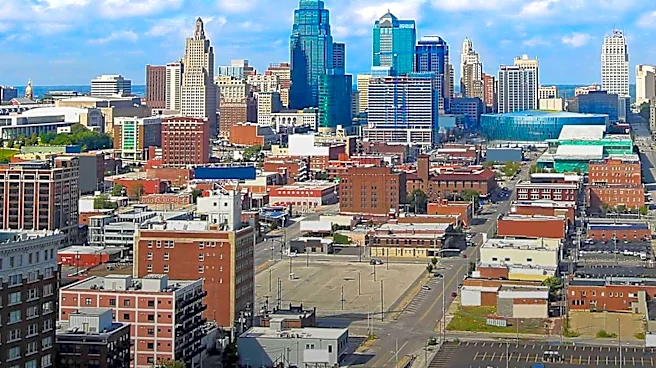
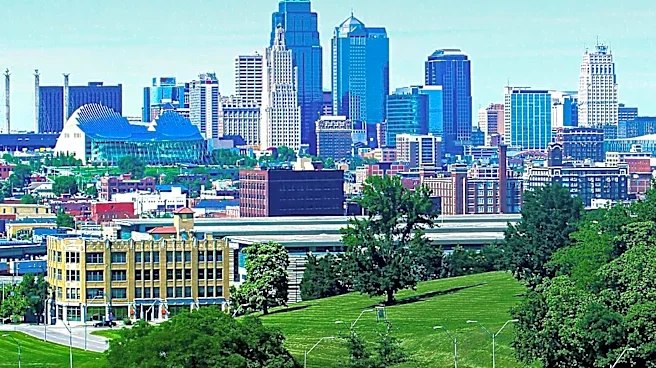
Kansas City, Missouri, is projected to have a population of 521,220 residents by July 1, 2025, according to the U.S. Census Bureau's latest estimates. This represents a 2.6% increase since 2020 and a 13.1% growth since 2010. The city ranks as the 37th
largest among 785 U.S. cities with at least 50,000 residents and is the largest of 13 Missouri cities tracked by StatsPanda, accounting for 8.3% of the state's total population. The median age in Kansas City is 35.8 years, which is 8% below Missouri's median. Demographically, 54.0% of residents are White, 25.2% are Black, and 12.5% are Hispanic or Latino. The median household income is $69,166, slightly below the Missouri median, with 14.6% of residents living below the poverty line.
Why It's Important?
The sustained population growth in Kansas City indicates its increasing attractiveness as a place to live and work, potentially driven by economic opportunities, quality of life, or urban development initiatives. This growth has significant implications for urban planning, infrastructure development, and public services, as the city must accommodate a larger resident base. The demographic breakdown highlights the diverse composition of the city, which can influence social programs, cultural initiatives, and political representation. Economic indicators such as median household income and poverty rates provide insights into the economic well-being of residents and can guide policies aimed at economic development and social equity. The city's growth also impacts its regional influence and its role within the broader U.S. urban landscape.
What's Next?
As Kansas City's population continues to grow, city planners and policymakers will likely focus on addressing the demands for housing, transportation, and public services. This may involve investments in new residential developments, expansion of public transit, and enhancements to schools and healthcare facilities. Economic development strategies may also be refined to attract businesses that can provide employment opportunities for the growing workforce and improve household incomes. Community leaders will need to consider how to foster inclusive growth that benefits all demographic groups and addresses disparities in income and access to resources. The ongoing population trends will be closely monitored by local government and businesses to inform future planning and investment decisions.
Beyond the Headlines
The demographic shifts in Kansas City reflect broader national trends of urbanization and migration patterns within the U.S. The city's ability to attract and retain residents, particularly a younger median age compared to the state average, suggests a dynamic urban environment. However, the persistent poverty rate indicates that growth does not automatically translate to equitable prosperity for all residents, highlighting ongoing challenges related to economic inclusion and social mobility. Understanding these demographic nuances is crucial for developing targeted interventions that promote sustainable development and improve the overall quality of life for all segments of the population. The city's growth narrative is thus a complex interplay of economic opportunity, social equity, and urban resilience.