


What's Happening?
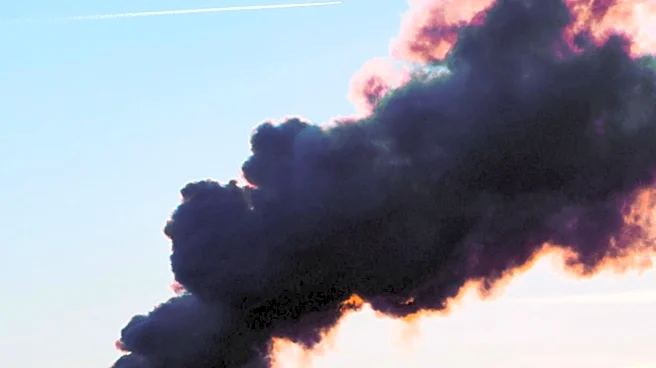
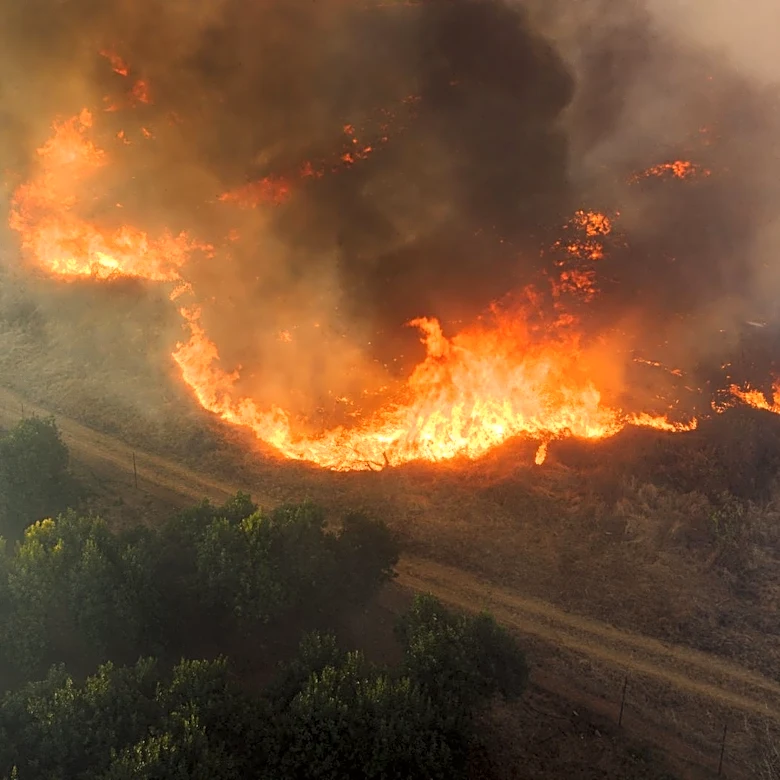
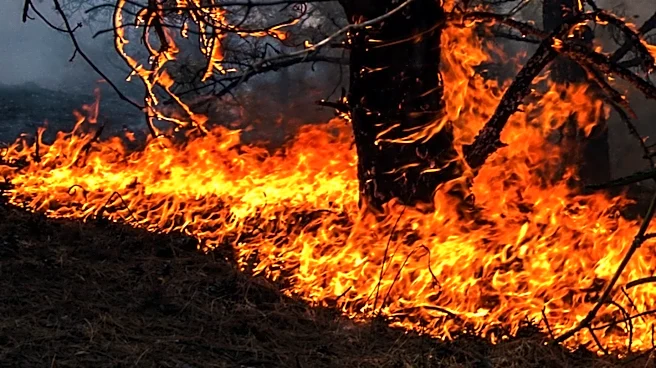
The Midwest is experiencing a shift in summer planning due to recurring air quality issues caused by wildfire smoke. This summer, families are increasingly factoring in air quality indices alongside traditional weather checks like temperature and storm
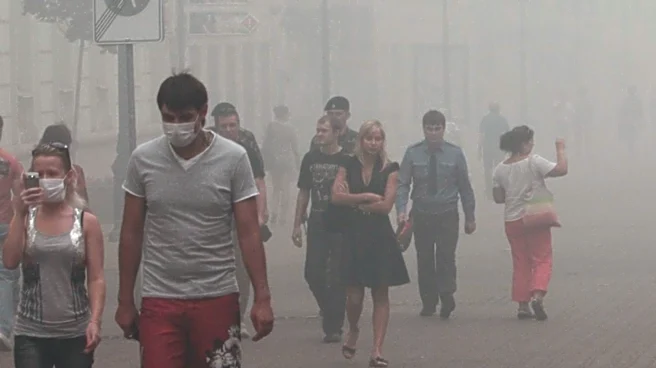
forecasts. The smoke, primarily drifting from Canadian wildfires, has led to the closure of neighborhood pools and the cancellation of various sporting events, including both local and major league baseball games. This new reality has prompted many to revisit the use of masks, reminiscent of the COVID-19 pandemic, as a protective measure against the haze. The situation highlights varying levels of risk tolerance among individuals, with some opting to stay indoors while others continue outdoor activities despite the air quality concerns.
Why It's Important?
The emergence of smoke as a regular summer concern in the Midwest underscores a broader environmental and public health challenge. The need to monitor air quality has become a critical aspect of daily life, affecting outdoor activities and public events. This shift has implications for public health, as prolonged exposure to poor air quality can lead to respiratory issues and other health problems. Economically, the cancellations of events and closures of recreational facilities can impact local businesses and community activities. The situation also reflects a growing awareness and adaptation to climate-related changes, as communities must now incorporate air quality considerations into their planning and lifestyle.
What's Next?
As the frequency of smoke-related air quality issues increases, communities may need to develop more robust contingency plans for outdoor activities and public health advisories. This could involve increased investment in air quality monitoring and public communication strategies to ensure residents are informed and can make safe decisions. Additionally, there may be a push for policy changes aimed at addressing the root causes of increased wildfire activity, such as climate change mitigation efforts and cross-border cooperation with Canada to manage wildfire risks. The adaptation to these new summer norms may also lead to innovations in outdoor event planning and infrastructure to accommodate air quality fluctuations.
Beyond the Headlines
The recurring smoke issues in the Midwest highlight a deeper cultural shift in how communities perceive and interact with their environment. The need for air quality checks as part of daily life may influence long-term behavioral changes, such as increased indoor activities and a reevaluation of traditional summer rituals. This could also spur discussions on environmental responsibility and the role of individuals and governments in addressing climate change. The situation serves as a reminder of the interconnectedness of global environmental issues and the local impacts they can have, prompting a reevaluation of priorities and strategies for sustainable living.