






What's Happening?
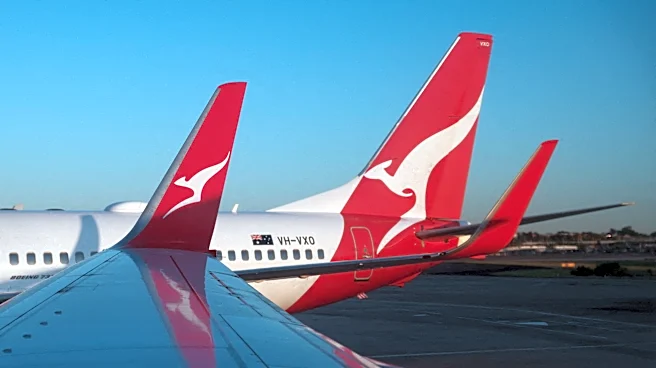
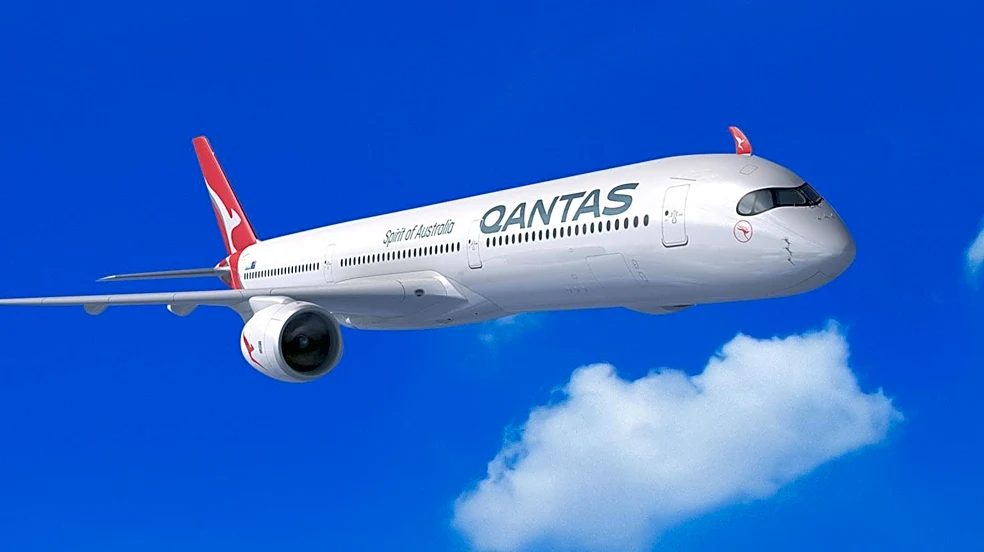
A Qantas international flight from Rome to Perth was canceled last week after a bedbug infestation was discovered in the aircraft's cabin. Passengers on an earlier 17-hour journey from Perth to Rome reported being bitten by the insects on October 9. According
to passenger Hailey Bagnall, bedbugs were observed crawling on belongings, clothing, blankets, and even along the windows. The affected aircraft was a Boeing 787 Dreamliner. Qantas Airways Limited issued an apology for the cancellation, stating that it allowed engineers and maintenance teams to conduct a deep clean of the aircraft after the issue was identified in a small number of economy seats. Prior to the canceled Rome-Perth leg, staff had already taken preventative measures, including deep cleaning the cabin, removing seat coverings and soft furnishings, and cordoning off the affected seats. The airline also noted that its aircraft undergo regular cleaning and precautionary disinfectant treatments every 50 days.
Why It's Important?
This incident highlights a significant concern for passenger comfort and public health in air travel, even though bedbugs are not known to spread disease. For U.S. travelers, while this specific event occurred on an international Qantas flight, it underscores the potential for such infestations to occur on any airline, including those operating in or out of the U.S. The disruption caused by the cancellation, including rebooking and hotel accommodations for affected passengers, demonstrates the operational and financial impact on airlines. More broadly, it raises awareness about the challenges of maintaining hygiene standards in high-traffic environments like aircraft cabins. The incident also serves as a reminder for travelers to be vigilant about inspecting their belongings and taking precautions to prevent bringing pests home, as entomologists note that bedbugs are skilled at 'hitchhiking' on personal items. This event could prompt increased scrutiny of cleaning protocols across the airline industry to prevent similar occurrences and maintain passenger confidence.
What's Next?
Following the cancellation, Qantas provided affected passengers with hotel accommodations and rebooked them on alternative flights within 48 hours. The airline will continue its deep cleaning and preventative measures on the affected Boeing 787 Dreamliner to ensure it is free of bedbugs before returning to service. This incident may lead to a review of Qantas's existing cleaning protocols and pest control measures, potentially influencing industry best practices. For the broader airline industry, including U.S. carriers, this event could trigger a re-evaluation of their own cabin hygiene and pest management strategies. Passengers might become more aware and proactive in checking their seats and surroundings during flights. While bedbugs are not a public health hazard in terms of disease transmission, the discomfort and psychological impact on travelers could lead to increased demands for assurances regarding cabin cleanliness and more transparent communication from airlines about such incidents.
Beyond the Headlines
This bedbug infestation goes beyond a simple inconvenience, touching on the psychological aspect of travel and consumer trust. The idea of sharing a confined space with pests can be deeply unsettling for passengers, potentially leading to anxiety and a reluctance to fly with affected carriers. It also highlights the invisible challenges airlines face in maintaining a pristine environment across a global network, where pests can be inadvertently introduced from various locations. The incident underscores the importance of proactive and thorough cleaning protocols, as well as rapid response mechanisms when issues arise. From a broader perspective, it contributes to the ongoing narrative about the quality of the travel experience, where passengers increasingly expect not just safety and efficiency, but also comfort and hygiene. The public's reaction to such events can significantly impact an airline's reputation and brand loyalty, emphasizing that even seemingly minor issues can have substantial consequences in the highly competitive aviation industry.