




What's Happening?
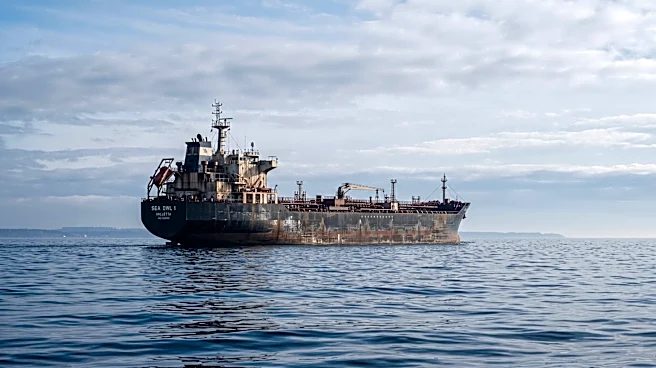
The Swedish Transport Agency has lifted the ban on the Chinese-owned tanker Sea Owl 1, which had been detained for seven months. The vessel was initially held in March during a crackdown on false flag and potentially dangerous vessels entering the Baltic
Sea. Swedish forces boarded the tanker, inbound from Santos, Brazil, on suspicion that it was traveling under a false flag and concerns over its seaworthiness. The Russian master presented papers indicating the vessel was registered in Comoros, though records showed it had been operating falsely under that flag since July 2025. A preliminary investigation addressed suspected violations regarding the tanker's seaworthiness. A replacement captain later presented false papers claiming registration in Cameroon. The Swedish Coast Guard noted that the Sea Owl 1 is listed under EU sanctions, but no sanctions violations were suspected. The detention order was lifted on October 12 after Swedish authorities confirmed the vessel's registration in Equatorial Guinea. The tanker remains anchored off Sweden, awaiting further orders.
Why It's Important?
This incident highlights the ongoing challenges and risks associated with maritime shipping, particularly concerning vessel registration and seaworthiness. The detention of the Sea Owl 1 underscores the efforts by European nations, like Sweden, to enforce international maritime regulations and combat illicit activities such as false flagging. False flagging can obscure vessel ownership, evade sanctions, and compromise safety standards, posing significant risks to environmental protection and maritime security. The case also illustrates the complexities of international law enforcement in maritime contexts, as evidenced by the difficulties in proving intent regarding false documentation. For the U.S. and its allies, such incidents can impact global supply chains and trade, as disruptions in key shipping lanes can lead to delays and increased costs. The broader implications include the potential for increased scrutiny on vessels operating under flags of convenience and a push for greater transparency in maritime operations to prevent similar occurrences.
What's Next?
Following the lifting of the detention order, the Sea Owl 1 is currently awaiting new orders while anchored off Sweden. The vessel's next destination and cargo will be closely monitored, especially given its history of false registration and its listing under EU sanctions. Swedish authorities will likely continue their heightened scrutiny of vessels entering the Baltic Sea, particularly those with questionable registration or seaworthiness. This incident may prompt further international cooperation among maritime agencies to enhance information sharing and enforcement mechanisms against false flagging and other illicit maritime practices. The ongoing detention of other vessels, such as the Caffa and Jin Hui, indicates a sustained effort by Sweden to address these issues, suggesting that similar actions against non-compliant vessels will continue. The maritime industry may also face increased pressure to adopt more robust verification processes for vessel registration and operational compliance.
Beyond the Headlines
The detention and subsequent release of the Sea Owl 1 reveal deeper issues within the global maritime industry, particularly the prevalence of 'flags of convenience' and the challenges they pose to international governance. While not explicitly stated as a U.S. issue, the implications of such practices can indirectly affect U.S. interests, including national security and economic stability, by facilitating illicit trade or undermining global maritime safety standards. The incident also touches upon the ethical responsibilities of shipping companies and the legal complexities of prosecuting individuals involved in presenting false documentation. The fact that the vessel was listed under EU sanctions, despite no direct violation being suspected in this instance, highlights the intricate web of international regulations and geopolitical tensions that influence maritime operations. This case could serve as a catalyst for broader discussions on reforming international maritime law to ensure greater accountability and transparency across the global shipping fleet, ultimately impacting how U.S. trade and security are managed on the high seas.