




What's Happening?
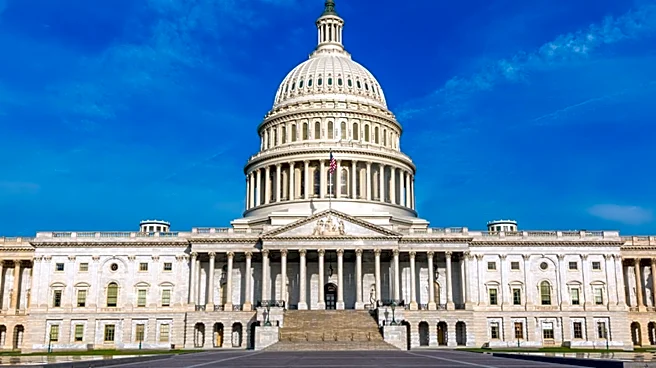
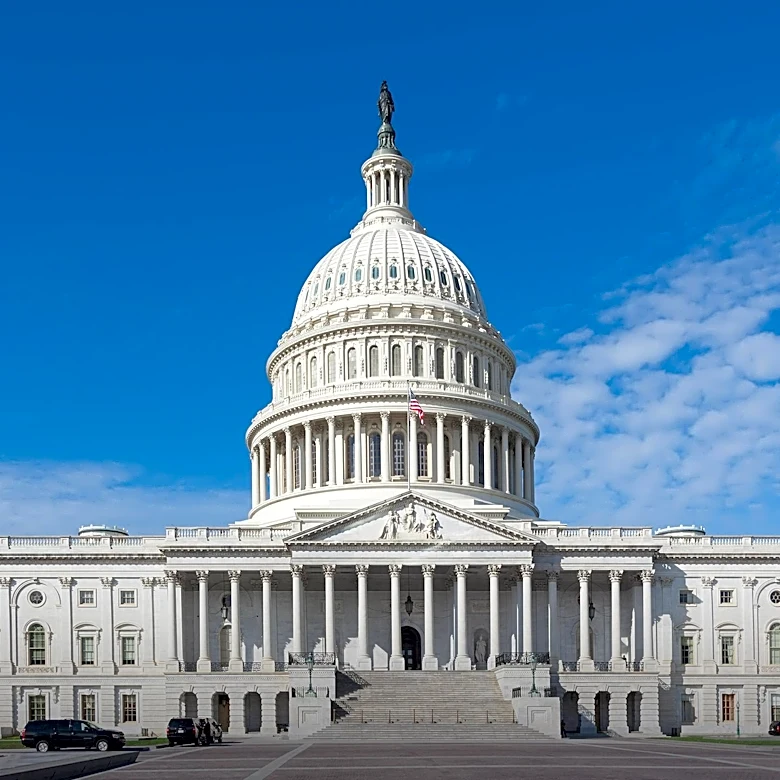
On September 15, 2026, the House-passed bipartisan Digital Assets Market Clarity Act (H.R. 3633) did not advance to the Senate floor. The bill failed to proceed following a largely party-line procedural vote. Lawmakers are currently in disagreement over
specific ethics provisions contained within the legislation. Despite this setback, there is a stated commitment among members of Congress to resume negotiations on the bill during the upcoming lame duck session. This development occurred as Congress returned to Washington with a limited legislative window before adjourning for the 2026 midterm elections, with the House recessing earlier than anticipated to focus on campaigns, while the Senate was scheduled to remain in session longer. Both chambers are expected to reconvene for a busy lame duck session starting November 9, 2026.
Why It's Important?
The failure of the Digital Assets Market Clarity Act to advance highlights ongoing challenges in legislating on emerging financial technologies, particularly when ethical considerations become a point of contention. The bipartisan nature of the bill's passage in the House suggests a general recognition of the need for regulatory clarity in the digital assets market. However, the subsequent stall in the Senate due to disagreements over ethics provisions indicates a deeper divide on how to properly oversee this rapidly evolving sector. This legislative gridlock could prolong uncertainty for businesses and investors operating within the digital asset space, potentially hindering innovation or creating regulatory arbitrage opportunities. The commitment to resume negotiations in the lame duck session underscores the perceived importance of this legislation, but also signals that reaching a consensus on ethical frameworks remains a significant hurdle for U.S. lawmakers.
What's Next?
Lawmakers have expressed their commitment to resuming negotiations on the Digital Assets Market Clarity Act during the lame duck session, which is scheduled to begin on November 9, 2026. This period will present another opportunity for Congress to address the disagreements over the bill's ethics provisions and potentially find a compromise that allows the legislation to move forward. The political climate surrounding these negotiations could be influenced by the outcomes of the 2026 midterm elections. If Republicans opt to pursue partisan reconciliation legislation during the lame duck session, it could impact the willingness and ability of both parties to engage in bipartisan negotiations on this and other issues. The future of digital asset regulation in the U.S. hinges on these upcoming discussions and the ability of Congress to bridge the current ethical divides.
Beyond the Headlines
The impasse over the Digital Assets Market Clarity Act extends beyond immediate legislative concerns, touching upon fundamental questions of regulatory philosophy in the digital age. The disagreement on ethics provisions suggests a broader debate within Congress about the appropriate level of oversight and the mechanisms to ensure integrity and prevent misconduct in novel financial markets. This situation reflects the inherent tension between fostering innovation and safeguarding against potential risks, including those related to market manipulation, consumer protection, and financial stability. The outcome of these legislative efforts could set precedents for how the U.S. government approaches the regulation of other emerging technologies and industries, influencing the balance between market freedom and public interest. The ethical dimensions of digital assets, such as transparency, accountability, and the prevention of illicit activities, are likely to remain central to future policy discussions.