



What's Happening?
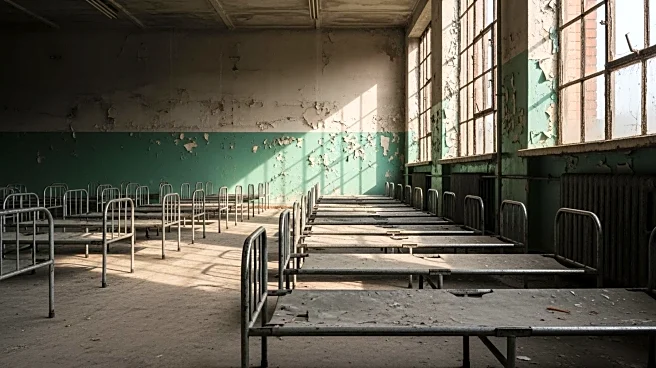
Mayor Zohran Mamdani has announced the closure of New York City's largest men's homeless shelter, located on 30th Street in Manhattan, by the end of April. The Bellevue shelter, which houses 250 residents, is being shut down due to what the administration
describes as a 'severe state of disrepair.' The city plans to relocate the current residents, although specific details on their new accommodations have not been disclosed. The decision has raised concerns among homeless advocacy groups, who fear that the abrupt closure could lead to confusion and deter individuals from seeking help. The Coalition for the Homeless and Legal Aid Society have expressed worries about the impact on the intake process for adult men and families across the city. The Department of Social Services and the Department of Homeless Services are working to ensure a smooth transition for the residents.
Why It's Important?
The closure of the Bellevue shelter highlights ongoing challenges in addressing homelessness in New York City. The decision underscores the need for safe and humane living conditions for the homeless population, a priority for Mayor Mamdani's administration. However, the sudden nature of the closure could disrupt services and create additional hardships for those affected. The situation reflects broader issues within the city's shelter system, including the need for more sustainable and long-term solutions to homelessness. The administration's approach to relocating residents and maintaining intake services will be crucial in mitigating potential negative impacts on the city's homeless population.
What's Next?
The city plans to relocate the intake for single adult men to a facility in the East Village and for families without minors to a location on Bowery by May 1. The administration will maintain a presence at the Bellevue site for a year to assist those seeking shelter. A large-scale communications campaign is planned to inform the public about these changes. The administration has attributed the need for the closure to neglect by the previous administration, indicating potential future efforts to address systemic issues within the shelter system. Stakeholders, including advocacy groups and city officials, will likely continue to monitor the situation closely.