









What's Happening?
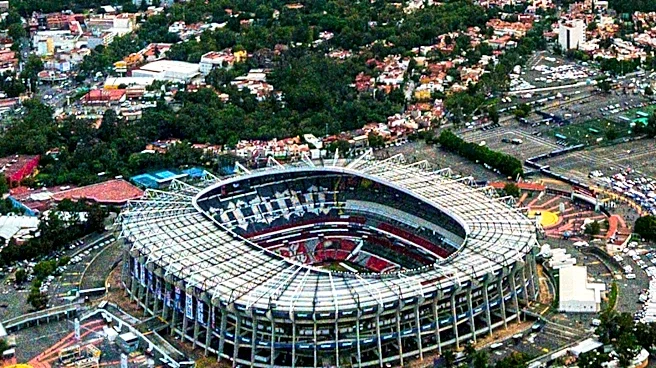
The World Cup, hosted partially in Mexico, has not provided the anticipated economic boost to the country's sluggish economy. Despite hosting 13 of the 104 games, the tournament's impact was limited, with GDP growth projections remaining modest. Economists
like Humberto Calzada from Rankia have noted that the event offered only a short-term stimulus, with localized economic benefits. Banorte and Banamex have adjusted their GDP contribution estimates, highlighting the limited economic impact compared to other financial inflows like remittances. The tournament created fewer jobs than expected, and consumer spending in key sectors like hotels and restaurants declined.
Why It's Important?
The World Cup's limited economic impact underscores the challenges Mexico faces in achieving sustainable economic growth. The event's failure to meet tourism and GDP targets highlights the need for more robust economic strategies beyond short-term events. With the economy contracting in the first quarter and investment uncertainty due to the upcoming USMCA review, Mexico's economic outlook remains cautious. The situation emphasizes the importance of trade stability and investment confidence as primary drivers of economic growth, rather than relying on temporary boosts from international events.
What's Next?
As Mexico assesses the World Cup's economic outcomes, attention will likely shift to addressing the underlying issues affecting growth, such as investment uncertainty and trade relations. The upcoming review of the USMCA will be critical in shaping Mexico's economic trajectory, with potential implications for trade and investment flows. Policymakers may need to focus on creating a more conducive environment for investment and addressing structural challenges to enhance economic resilience. The lessons learned from the World Cup could inform future strategies for leveraging international events to achieve broader economic objectives.
Beyond the Headlines
The World Cup's economic performance in Mexico raises questions about the effectiveness of using major sporting events as economic catalysts. While such events can generate short-term excitement and localized benefits, their ability to drive long-term economic change is limited without complementary policies and investments. The experience may prompt a reevaluation of how countries approach hosting international events, balancing the potential benefits with the costs and risks involved. Additionally, the focus on trade and investment stability highlights the interconnectedness of global economies and the importance of strategic partnerships in achieving sustainable growth.