






What's Happening?
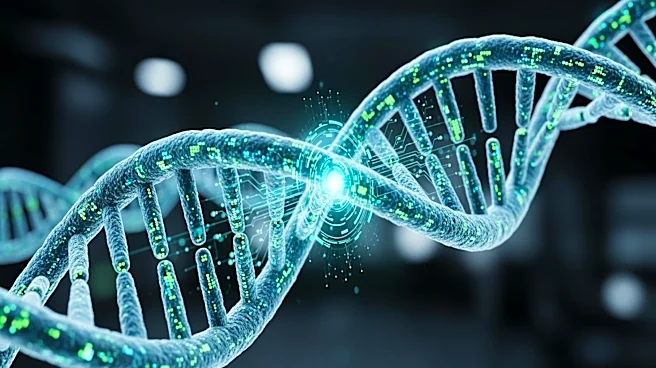
A team of U.S. researchers has introduced a novel approach to secure engineered cells using DNA encryption. This method involves scrambling the DNA of a cell, rendering its instructions non-functional until decrypted with a precise sequence of chemicals.
The Centers for Disease Control and Prevention and the Department of Homeland Security have reported increased theft and smuggling of high-value biological materials, including engineered cells, which could be misused for bioweapons or environmental harm. Traditionally, these cells are protected by physical security measures, but the new genetic combination lock offers a more robust solution. The encryption process was tested through an ethical hacking exercise, achieving a 0.2% success rate in unauthorized access attempts, close to the theoretical target of 0.1%.
Why It's Important?
The development of DNA encryption for engineered cells represents a significant advancement in biological security. As the global market for biotechnology and related fields is projected to reach $8 trillion USD by 2035, safeguarding these assets is crucial. The new method not only enhances security but also shifts the paradigm from physical to genetic protection, potentially reducing the risk of misuse. This innovation could have far-reaching implications for industries reliant on genetic materials, such as medicine, aging research, and stem cell technology. By embedding security within the DNA itself, the assets become self-protecting, reducing the likelihood of theft and unauthorized use.
What's Next?
Further research is needed to determine the applicability of this DNA encryption method to other organisms and its scalability to protect multiple genes or assets within a single cell. The success of this approach could lead to widespread adoption in various fields, prompting industries to invest in genetic security measures. Stakeholders, including biotechnology companies and regulatory agencies, may need to develop new standards and protocols to integrate this technology into existing security frameworks. Additionally, ethical considerations regarding the use of genetic encryption will likely be explored as the technology evolves.
Beyond the Headlines
The introduction of DNA encryption raises ethical and legal questions about the control and ownership of genetic information. As this technology becomes more prevalent, discussions around privacy, consent, and the potential for misuse will become increasingly important. The ability to lock and unlock genetic material could lead to debates about access and rights, particularly in medical and research contexts. Furthermore, the shift towards genetic security may influence cultural perceptions of biotechnology, potentially increasing public trust in the safety and integrity of genetic research.