
What's Happening?
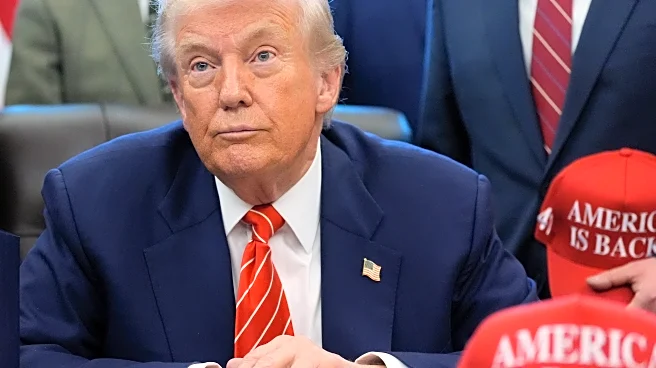
President Trump has implemented a freeze on the operations of the U.S. Agency for International Development (USAID) as of January 2025. This decision is part of a broader strategy to reduce government size and cut what the administration views as excessive
spending on foreign aid. USAID, which has been a significant arm of U.S. international assistance, typically spends between $40-70 billion annually across more than 100 countries. The freeze has sparked a range of reactions, with some lamenting the halt of life-saving aid and others supporting the reduction of funds perceived as not directly benefiting Americans. Concerns have also been raised about the potential for countries like Russia and China to fill the void left by the U.S. in international development and humanitarian efforts.
Why It's Important?
The freeze on USAID operations has significant implications for global humanitarian aid and U.S. foreign policy. USAID has historically been a tool for projecting U.S. soft power and maintaining influence in global affairs. The suspension of its activities could weaken America's global image and allow geopolitical rivals to expand their influence. Additionally, the halt in aid could have immediate negative impacts on vulnerable populations that rely on USAID's programs for health, education, and economic development. The decision reflects a shift towards a more isolationist and unilateral foreign policy under President Trump, prioritizing national interests over international humanitarian commitments.
What's Next?
The future of USAID remains uncertain as the freeze continues. Legal challenges may arise, questioning the constitutionality of the freeze without Congressional approval. There is also potential for Congress to intervene, given the bipartisan support USAID has historically received. Meanwhile, discussions about merging USAID with the Department of State to streamline operations and focus on national security interests are ongoing. The international community, particularly countries in the Global South, may need to explore alternative models of aid and development to reduce dependency on U.S. assistance.
Beyond the Headlines
The freeze on USAID funding highlights broader debates about the effectiveness and ethical implications of foreign aid. Critics argue that USAID has perpetuated dependency and overshadowed local expertise, while proponents emphasize its role in providing immediate humanitarian relief. This situation presents an opportunity for the Global South to advocate for a New International Economic Order, aiming for more equitable global trade and development practices. The shift in U.S. policy could catalyze efforts to decolonize aid and empower local organizations to take a more active role in their development.