






What's Happening?
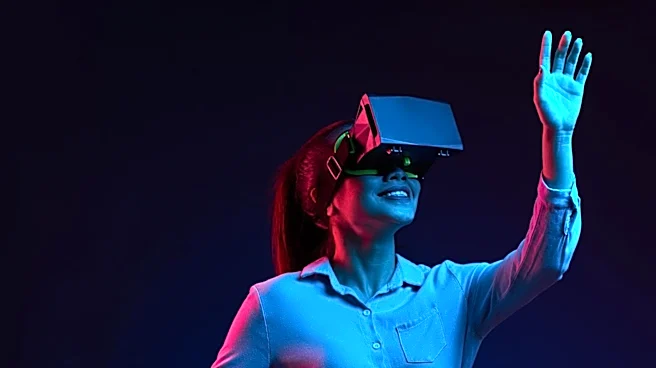
Nursing and medical students across the nation are utilizing 'Respiratory Tina Jones,' a virtual patient within the HealthCareSIM platform, to enhance their clinical training. This sophisticated virtual reality tool simulates the progression of chronic
obstructive pulmonary disease (COPD) in a 72-year-old patient, presenting trainees with a realistic scenario of increasing shortness of breath and a persistent productive cough. Unlike traditional role-playing, the simulation meticulously tracks every decision made by the student, from initial vital sign measurements to communication nuances, providing objective performance data. The virtual environment allows students to conduct comprehensive health histories, perform virtual head-to-toe physical assessments with a focus on respiratory metrics, and interpret diagnostic results such as virtual chest X-rays, spirometry, and arterial blood gases. The case is built on a branching logic model, meaning Tina Jones's condition dynamically responds to the learner's actions, emphasizing the importance of thorough assessment and clinical decision-making.
Why It's Important?
The integration of virtual patients like Respiratory Tina Jones addresses a critical gap in modern healthcare education, particularly in the U.S. where clinical placement sites are often overwhelmed and patient safety protocols limit hands-on opportunities for students. This technology provides a risk-free environment for novice clinicians to practice assessing, diagnosing, and managing complex respiratory conditions, allowing them to make mistakes and learn from them without real-world consequences. This fosters confidence and competence, building 'cognitive muscle memory' that is difficult to achieve in traditional lecture settings. The standardized nature of the virtual patient ensures that all students interact with the same baseline symptoms and react to the same interventions, enabling instructors to evaluate performance on a level playing field. Furthermore, the objective data capture provided by the software offers specific and actionable feedback, enhancing the learning process and preparing future healthcare professionals for the complexities of patient care.
What's Next?
As virtual reality technology becomes more accessible and sophisticated, virtual patients like Respiratory Tina Jones are poised to become a cornerstone of clinical preparation in the U.S. healthcare education system. The continued development and integration of such high-fidelity simulations will likely lead to more widespread adoption across nursing and medical schools. Future iterations may incorporate even more complex scenarios, diverse patient demographics, and advanced physiological responses, further bridging the gap between theoretical knowledge and practical application. The focus will likely expand beyond technical skills to further emphasize the human element of care, including empathy, communication, and interprofessional collaboration, as the avatar is already programmed to display emotional responses based on the learner's demeanor. This pedagogical shift aims to produce a generation of clinicians who are not only technically proficient but also compassionate and effective communicators.
Beyond the Headlines
Beyond its immediate educational benefits, the rise of virtual patients like Respiratory Tina Jones signals a broader shift in how healthcare professionals are trained, with significant ethical and cultural implications. The ability to practice high-stress situations, such as delivering difficult news or managing a patient in respiratory failure, in a psychologically safe environment, allows students to develop resilience and refine communication skills without the risk of harming a real person. This technology also highlights the growing importance of digital literacy and technological proficiency in healthcare, as future clinicians will increasingly interact with advanced simulation tools and digital health records. The emphasis on objective data capture and standardized assessment could also lead to more equitable and consistent evaluation of clinical competencies across different educational institutions. Ultimately, by mastering the management of digital patients, students are better prepared to navigate the complex, unpredictable, and often emotionally charged realities of caring for human patients in diverse healthcare settings.