







What's Happening?
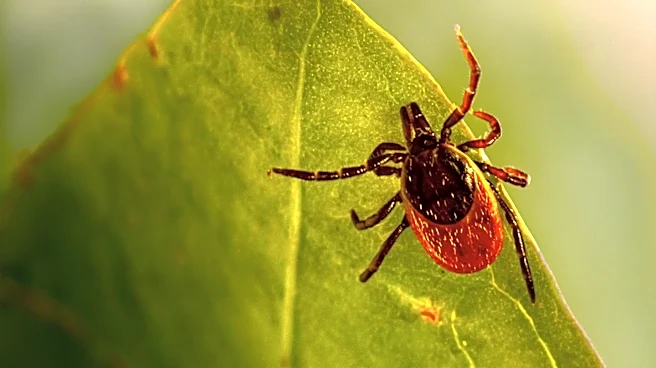
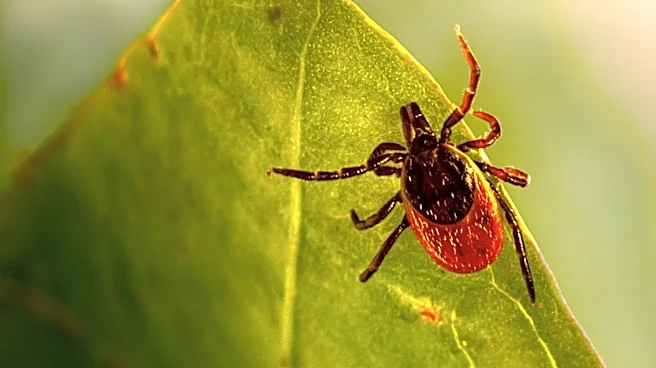
Nova Scotia has seen a significant increase in cases of anaplasmosis, a tick-borne bacterial disease, with numbers rising from 317 in 2023 to 681 last year. This disease, spread by blacklegged and brown dog ticks, can affect both humans and pets. Symptoms
often resemble the flu, including fever and chills, but can sometimes be asymptomatic, complicating diagnosis. The rise in cases is attributed to longer warm seasons, which have allowed tick populations to thrive. Health officials emphasize the importance of tick checks and immediate treatment with antibiotics like doxycycline to prevent severe outcomes.
Why It's Important?
The increase in tick-borne diseases like anaplasmosis poses a growing public health challenge, particularly as climate change extends tick habitats. This trend could lead to higher healthcare costs and increased demand for medical services. Vulnerable populations, such as seniors and those with pre-existing health conditions, face greater risks of severe illness. The situation underscores the need for public awareness and preventive measures to mitigate the spread of these diseases, which could have broader implications for public health policy and resource allocation.
What's Next?
Health authorities are likely to continue monitoring tick populations and disease incidence closely. Public health campaigns may intensify to educate the public on prevention strategies, such as proper tick checks and habitat management. Research into more effective treatments and preventive measures, including vaccines, could become a priority. The healthcare system may also need to adapt to handle potential increases in tick-borne disease cases, particularly in regions experiencing warmer climates.