


What's Happening?
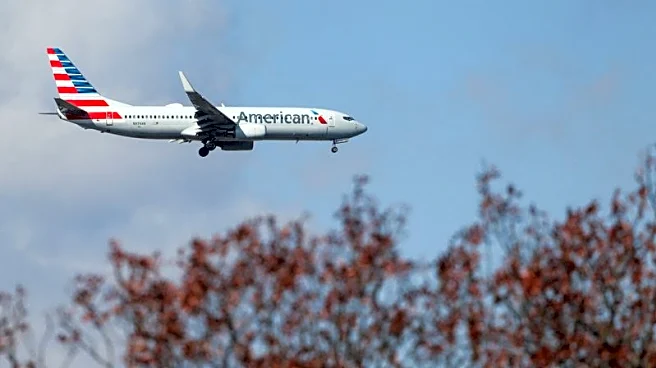
Airlines in the U.S. often issue meal vouchers to passengers facing extended delays or cancellations as a goodwill gesture. However, these vouchers, typically valued between $10 to $15, often fall short of covering the cost of a meal at airport eateries,
where prices are significantly higher than outside. For instance, a $12 voucher might only cover a small snack, such as a cup of grapes, at John F. Kennedy International Airport. The high cost of airport food is attributed to the unique challenges and overhead costs of operating within a secured transportation facility. Airlines are not legally required to provide these vouchers, and the decision to issue them, as well as their value, can vary based on factors like route, cabin class, and loyalty status.
Why It's Important?
The inadequacy of meal vouchers highlights broader issues of price gouging and consumer protection in airports. Travelers, often a captive audience with limited options, face inflated prices for basic necessities like food. This situation underscores the need for regulatory oversight to ensure fair pricing practices in airports, similar to measures taken by some airports like Salt Lake City International and Portland International, which enforce street pricing. The disparity in voucher value and actual meal costs can exacerbate the stress of travel delays, impacting customer satisfaction and loyalty towards airlines. This issue also reflects on the broader economic dynamics of airport operations and the balance between profitability and consumer rights.
What's Next?
Airlines may face increasing pressure from consumer advocacy groups and regulatory bodies to reassess their policies on meal vouchers and pricing strategies. As travelers become more vocal about their dissatisfaction, there could be calls for standardized practices across the industry to ensure fair treatment of passengers. Additionally, airports might explore partnerships with local businesses to offer more affordable dining options. The ongoing dialogue about consumer rights in travel could lead to legislative proposals aimed at protecting passengers from excessive pricing and ensuring that compensation measures like meal vouchers are more in line with actual costs.
Beyond the Headlines
The issue of meal vouchers also touches on ethical considerations regarding corporate responsibility and consumer exploitation. As airlines and airport vendors navigate the balance between profitability and customer service, they must consider the ethical implications of their pricing strategies. The situation also raises questions about the transparency of airline policies and the need for clearer communication with passengers regarding their rights and options during travel disruptions. Long-term, this could influence how airlines and airports approach customer service and operational policies, potentially leading to more consumer-friendly practices.