



What's Happening?
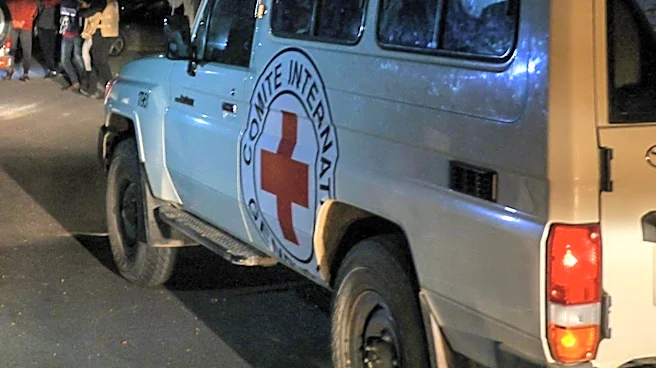
The American Red Cross is actively responding to the devastating wildfires in the Pacific Northwest, particularly in Spokane, Washington, where thousands have been forced to evacuate. The organization is working with local partners to provide essential
services such as food, shelter, and emotional support to those affected. The wildfires have destroyed over 700 structures and scorched more than 10,000 acres, with no containment in sight. The Red Cross has opened numerous shelters and is offering meals, snacks, and health services to evacuees. The fires in Washington and Oregon have resulted in the worst fire season in over 30 years, with more than 2.1 million acres burned. The Red Cross has deployed nearly 800 disaster responders to assist in relief efforts, providing thousands of meals and overnight stays for those displaced.
Why It's Important?
The wildfires in the Pacific Northwest highlight the increasing frequency and intensity of natural disasters, likely exacerbated by climate change. The Red Cross's response underscores the critical need for coordinated disaster relief efforts and the importance of community and corporate support in times of crisis. The fires have not only displaced thousands but also threaten the livelihoods and homes of many, emphasizing the urgent need for effective emergency management and preparedness strategies. The situation also brings attention to the broader implications of climate-related disasters on public safety, infrastructure, and economic stability in the U.S.
What's Next?
As the fires continue to burn, the Red Cross and other emergency services will remain on high alert, providing ongoing support to affected communities. Efforts will focus on containment and recovery, with potential long-term implications for regional planning and disaster preparedness. The Red Cross is also addressing a national blood supply crisis, urging eligible individuals to donate blood to alleviate shortages. The organization will continue to rely on donations and volunteer support to sustain its relief operations. Local authorities and residents are advised to stay vigilant and prepared for further evacuations if necessary.