







What's Happening?
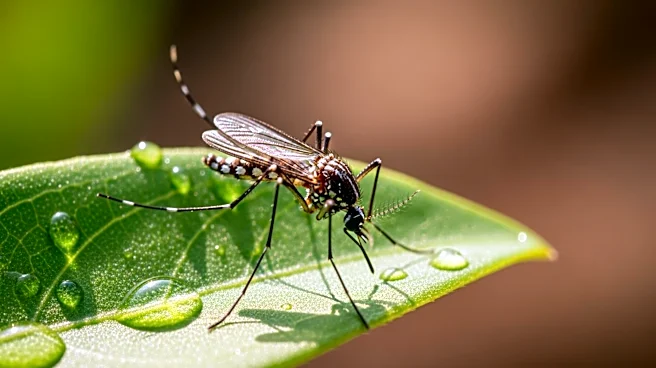
As temperatures rise earlier than usual, pests such as ants, mosquitoes, termites, and roaches are becoming more active, seeking cool, moist, and shaded environments. This shift in behavior makes homes particularly vulnerable to infestations. The early
emergence of these pests, expected to occur two to four weeks ahead of the typical schedule, is prompting experts to advise homeowners to take proactive measures. Key recommendations include sealing entry points, managing moisture levels, and conducting early inspections to prevent the establishment of pest colonies. The increase in pest activity is attributed to the early heat surge, which is driving these creatures indoors in search of suitable habitats.
Why It's Important?
The early onset of pest activity poses significant challenges for homeowners, potentially leading to increased costs and health risks. Pests can cause structural damage, contaminate food supplies, and spread diseases. The economic impact can be substantial, with potential damage to property and increased spending on pest control services. Additionally, the health implications of pest infestations, such as allergic reactions and the transmission of diseases like West Nile virus from mosquitoes, underscore the importance of early intervention. By taking preventive measures, homeowners can mitigate these risks, protecting both their property and health.
What's Next?
Homeowners are encouraged to act swiftly by sealing gaps, managing moisture, and seeking professional pest control services if necessary. As the season progresses, monitoring pest activity and maintaining preventive measures will be crucial. The pest control industry may see increased demand for services, prompting companies to enhance their offerings and response times. Additionally, public health advisories may be issued to raise awareness about the risks associated with pest-borne diseases, emphasizing the importance of community-wide efforts to manage pest populations.