



What's Happening?
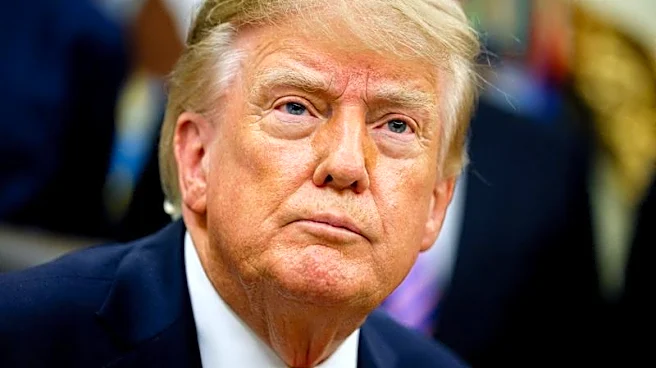
President Trump's approval rating has fallen to 32%, marking the lowest point of his political career, according to a new Reuters/Ipsos poll released on September 21, 2026. This figure represents a 3 percentage point drop from the previous Reuters/Ipsos poll.
The previous low for President Trump was 33%, recorded in December 2017 and again for three consecutive weeks in August. The poll, conducted over four days and completed on September 20, surveyed 1,277 U.S. adults with a margin of error of 3 percentage points. Dissatisfaction with the cost of living and the ongoing war in Iran were identified as key factors contributing to this decline, with only 17% of respondents approving of President Trump's handling of the cost of living. His approval rating among Republicans also saw a decrease, falling to 73% from 82% the previous week.
Why It's Important?
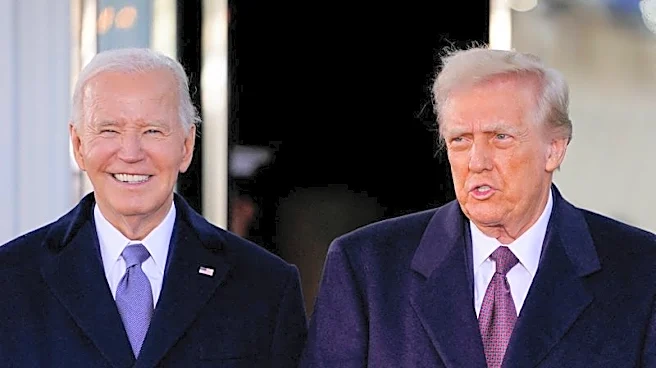
This career-low approval rating for President Trump signifies a significant challenge for his administration and the Republican party, particularly as midterm elections approach. The widespread dissatisfaction with his handling of critical domestic issues like the cost of living and foreign policy matters such as the war in Iran indicates a broad erosion of public confidence. This decline is more pronounced than former President Joe Biden's lowest approval rating of 35% in October 2024, highlighting the severity of President Trump's current standing. The drop in approval among his own party, with 51% of Republicans disapproving of his handling of the cost of living, suggests that even his base is feeling the impact of these issues. This could lead to increased internal pressure within the Republican party and potentially influence the outcomes of upcoming elections, as voters may seek alternative leadership to address their concerns.
What's Next?
The continued decline in President Trump's approval rating suggests that the Republican party will face an uphill battle in the upcoming midterm elections. The focus will likely shift to how the administration addresses the public's concerns regarding the cost of living and the war in Iran. Without a significant improvement in these areas, it is probable that President Trump's approval numbers will remain low, potentially impacting voter turnout and support for Republican candidates. The poll's findings also indicate that individual polls and polling averages will continue to be closely watched as they provide snapshots of public sentiment. The administration may attempt to recalibrate its strategies or messaging to regain public trust, but the current data points to a challenging period ahead for President Trump and his party.
Beyond the Headlines
The consistent decline in President Trump's approval rating, particularly the strong disapproval from a majority of voters, points to a deeper societal discontent that transcends specific policy issues. The public's reaction to his actions, such as banning news organizations from the White House and his comments regarding the Kennedy Center for the Performing Arts, suggests a growing concern over leadership style and democratic norms. This trend could indicate a long-term shift in how the American public perceives and evaluates its leaders, prioritizing not just policy outcomes but also conduct and respect for institutions. The increasing dissatisfaction, even among Republicans, suggests a potential fracturing within the party or a growing willingness among voters to hold their leaders accountable regardless of party affiliation, leading to a more volatile and unpredictable political landscape.