





What's Happening?
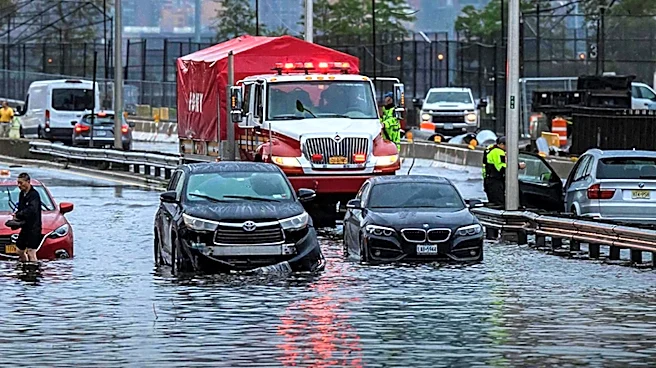
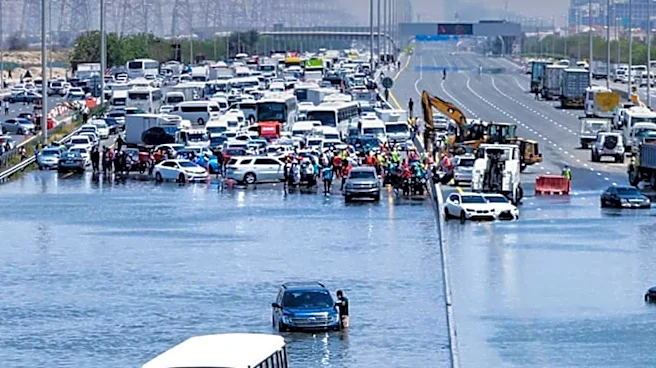
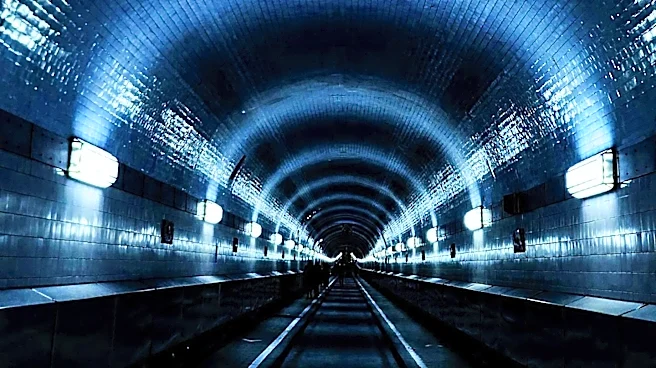
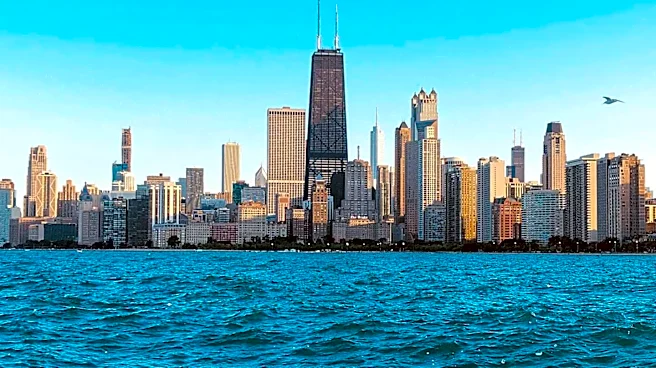
Chicago's Deep Tunnel system, designed to prevent flooding by channeling stormwater into reservoirs, is nearing full capacity following a period of heavy rainfall. The system, which includes the Thornton and McCook reservoirs, has been inundated with
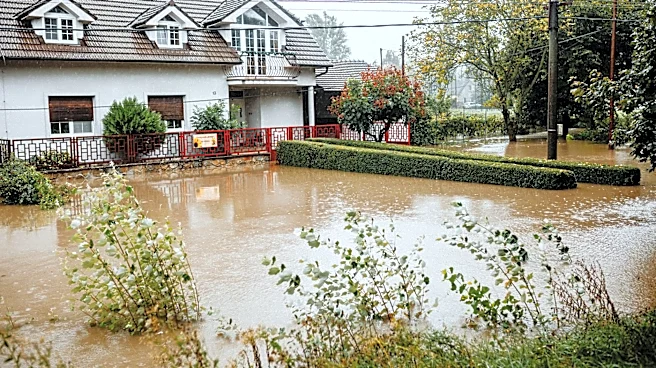
over 8 inches of rain in the past month. This has led to increased flood risks in several suburban communities and sewer overflows into the Chicago River. Experts suggest that the current infrastructure is insufficient to handle such volumes, advocating for more greenspace and innovative water storage solutions.
Why It's Important?
The near-capacity status of the Deep Tunnel system underscores the challenges urban areas face in managing stormwater amid changing climate patterns. The situation highlights the need for cities to invest in sustainable infrastructure that can adapt to increased rainfall and prevent flooding. The potential for significant property damage and public health risks from sewer overflows makes this an urgent issue for policymakers and urban planners. The event also raises questions about the long-term viability of existing flood prevention systems in the face of climate change.
What's Next?
With more rain forecasted, the Deep Tunnel system may continue to operate at or near capacity, increasing the risk of flooding. The situation calls for immediate and long-term strategies to enhance Chicago's flood management capabilities. This could involve expanding existing reservoirs, developing new water storage technologies, and increasing urban greenspace. Policymakers and environmental groups are likely to push for comprehensive plans to address these challenges, potentially influencing future urban planning and infrastructure investments.