


What's Happening?
The Temple Mount, a site of profound religious significance for both Jews and Muslims, is experiencing a shift in its long-standing practices. Historically, Jewish visitors were allowed to visit but not pray on the Mount, a rule that has been in place
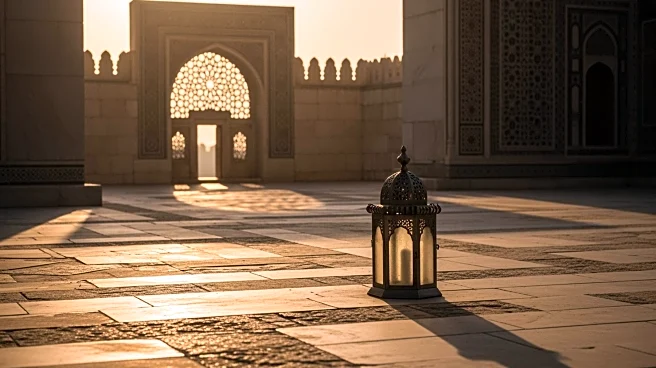
since 1967. However, recent developments indicate a change in this status quo. Jewish visitors are now increasingly engaging in discreet prayer activities, such as whispering prayers or prostrating, which are being tolerated by the police as long as they remain brief and unobtrusive. This change is occurring against the backdrop of Ramadan, a period when the Mount sees a significant influx of Muslim worshipers, particularly during the final ten nights. The heightened security measures during this time aim to manage the large crowds and ensure the safety of all visitors.
Why It's Important?
The evolving practices on the Temple Mount are significant as they reflect broader religious and political dynamics in the region. The site is a focal point of Jewish and Muslim religious identity, and any changes in access or practice can have far-reaching implications. For Jewish visitors, the ability to pray, even discreetly, represents a reclaiming of religious presence and a connection to their historical heritage. For Muslims, the Mount remains a vital religious site, and any perceived encroachment can lead to tensions. The situation underscores the delicate balance of religious tolerance and the potential for conflict in a region where historical grievances and religious fervor intersect. The changes also highlight the role of Israeli authorities in navigating these complex dynamics, balancing security concerns with religious freedoms.
What's Next?
As the situation on the Temple Mount continues to evolve, several potential developments could arise. Increased Jewish prayer activities might lead to heightened tensions with Muslim worshipers, especially during overlapping religious observances. Israeli authorities will likely continue to play a crucial role in managing access and maintaining order, potentially facing pressure from both Jewish and Muslim communities. Activist groups advocating for expanded Jewish access may push for further changes, while Muslim leaders might call for stricter enforcement of the status quo. The international community, particularly countries with vested interests in the region, may also weigh in, influencing diplomatic relations and regional stability.
Beyond the Headlines
The changes on the Temple Mount could have deeper implications for interfaith relations and the broader peace process in the Middle East. The site is not only a religious symbol but also a political one, representing sovereignty and historical claims. The evolving practices could either pave the way for greater religious coexistence or exacerbate existing tensions. The situation also raises questions about the role of religious sites in modern nation-states and the challenges of accommodating diverse religious practices in shared spaces. As the dynamics on the Mount continue to shift, they may serve as a microcosm of broader societal changes and the ongoing struggle for religious and cultural identity in the region.