








What's Happening?
After 246 years, the identity of a Revolutionary War soldier, previously known as 'Camden 9B', has been uncovered through DNA testing and genealogical research. Pvt. John Pumphrey, a Maryland teenager who died in the Battle of Camden in 1780, was identified
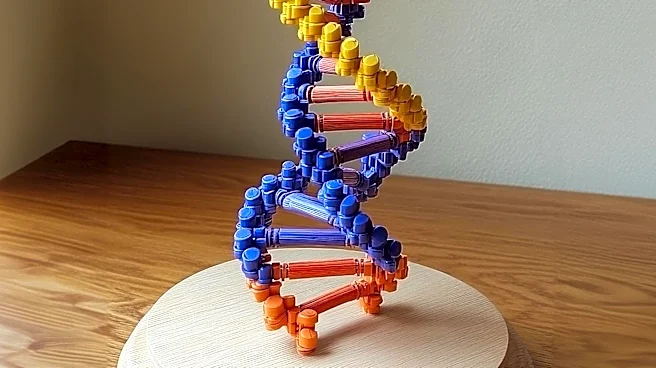
by FHD Forensics and Astrea Forensics. The discovery was made possible by extracting DNA from the petrous portion of the temporal bone, which was then matched with living relatives through genealogical databases. Pumphrey's remains were among 14 sets found by archaeologists in 2020, with 12 identified as Continental soldiers. The identification process involved tracing DNA matches and archival research, revealing Pumphrey's life as an orphan who joined the militia at a young age.
Why It's Important?
This identification not only provides closure to Pumphrey's descendants but also enriches the historical narrative of the American Revolution. It highlights the potential of modern forensic science to solve historical mysteries, offering a deeper understanding of the individuals who contributed to the nation's founding. The case underscores the importance of preserving historical sites and the stories they hold. For historians and genealogists, this breakthrough demonstrates the power of DNA technology in reconstructing family histories and connecting present generations with their ancestral past.
What's Next?
The U.S. government is expected to confirm the research findings and update Pumphrey's gravestone to reflect his identity. This case may inspire further investigations into unidentified remains from historical conflicts, potentially leading to more discoveries. The ongoing work on other remains from the Battle of Camden could yield additional identifications, further contributing to the historical record. The success of this project may encourage similar efforts in other historical contexts, promoting collaboration between forensic scientists, archaeologists, and historians.