



What's Happening?
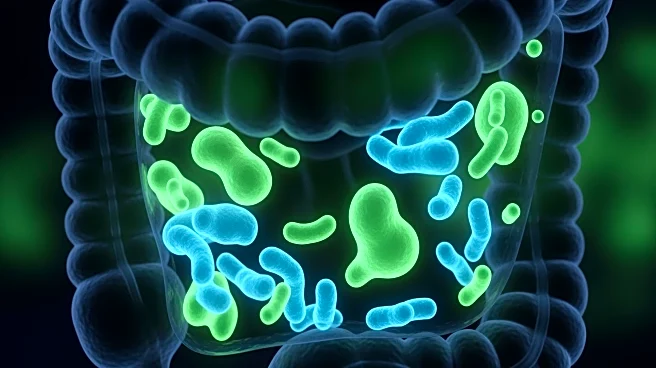
Recent research published in Nature Microbiology reveals that gut microbes play a significant role in bolstering immunity among people living with HIV. The study, led by Prof. Eran Elinav and Prof. Hila Elinav, was conducted in Ethiopia and Israel, highlighting
the microbiome's potential to act as an immune organ. The research found that the microbiome can compensate for immune damage caused by HIV by increasing T cell populations in the gut. However, this effect diminishes in patients with severe immune deficiency. The study suggests that modifying the microbiome through diet or tailored probiotics could support immunity in HIV patients, especially where advanced antiviral therapies are unavailable.
Why It's Important?
This research is crucial as it opens new avenues for enhancing immune function in HIV patients through microbiome modification. The findings could lead to alternative treatments that bolster immunity, particularly in regions lacking advanced antiviral therapies. By understanding the microbiome's role, healthcare providers might develop strategies to reduce life-threatening infections in HIV patients. This could significantly impact public health policies and treatment approaches, offering hope for improved quality of life for those living with HIV.
What's Next?
Future research will likely focus on identifying specific microbes and molecules involved in this immune support. The study's findings could prompt further investigations into microbiome-based therapies, potentially leading to clinical trials. Healthcare professionals and researchers may explore dietary interventions or probiotic treatments to enhance immune function in HIV patients. Additionally, the study may influence global health strategies, particularly in resource-limited settings, to incorporate microbiome modification as part of comprehensive HIV care.