



What's Happening?
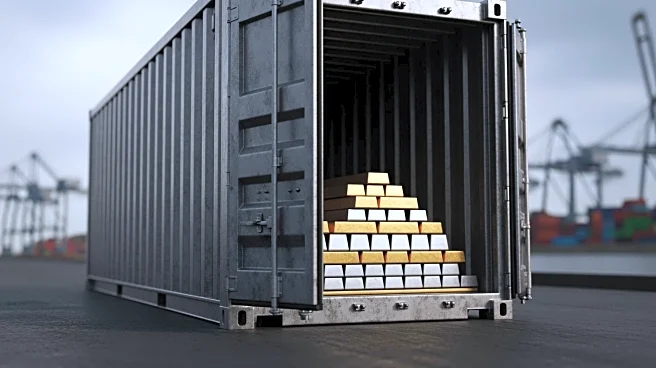
Flights carrying gold and silver to and from Dubai have been grounded due to the ongoing conflict in the Middle East, significantly disrupting global bullion flows. The United Arab Emirates (UAE) is a key player in the metal market, particularly in refining
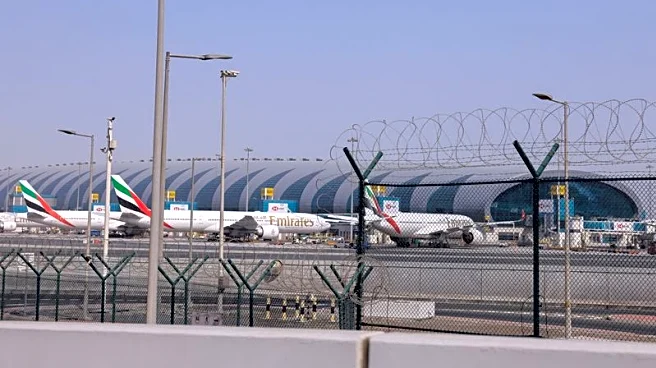
and exporting gold to Asian buyers. The recent Iranian missile attacks have led to a partial closure of UAE airspace, halting operations at Dubai's airports and affecting shipments transported in the cargo holds of passenger planes. Traders and logistics companies have reported indefinite pauses in their metal shipments through Dubai, with efforts now focused on rerouting consignments intended for transit through the emirate. Overland transportation poses significant risks, making it an unfeasible alternative.
Why It's Important?
The suspension of flights carrying precious metals through Dubai has created significant challenges within the global bullion industry. The UAE's role as a conduit for shipments from Switzerland and London to Asian markets means that disruptions here can have widespread implications. The halt in operations could lead to increased premiums for bullion in markets like Saudi Arabia, as seen recently. This situation underscores the vulnerability of global supply chains to geopolitical tensions, particularly in regions critical to specific industries. The ongoing conflict and resulting airspace restrictions highlight the interconnectedness of global markets and the potential for regional conflicts to have far-reaching economic impacts.
What's Next?
While current disruptions are expected to be temporary, a prolonged suspension could challenge traders in India and other markets dependent on UAE-sourced metal. The situation may prompt a reevaluation of supply chain strategies and risk management practices within the precious metals industry. Stakeholders will likely monitor geopolitical developments closely, as further escalations could exacerbate the current challenges. Additionally, there may be increased efforts to explore alternative routes and methods for transporting high-value cargo to mitigate risks associated with airspace closures.