







What's Happening?
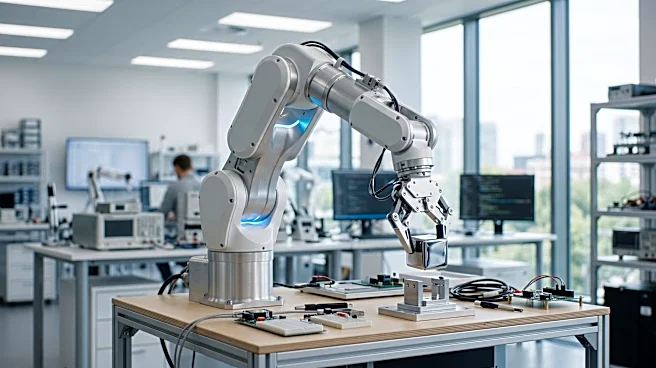
Mechanical engineering technology is undergoing a rapid transformation, integrating emerging technologies such as artificial intelligence (AI), robotics, the Internet of Things (IoT), additive manufacturing (3D printing), and digital twins. This evolution
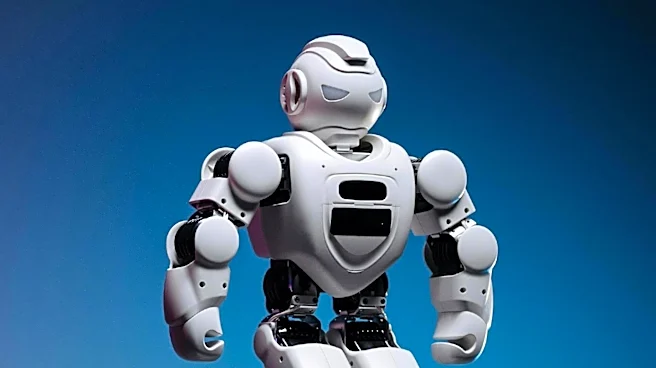
is shifting the focus from simply making machines work to building smarter, more adaptable systems. AI and machine learning are enabling robots to understand their environments, make decisions, and adjust to changing conditions, leading to the development of collaborative robots (cobots) and mobile robotic systems for various industries. Additive manufacturing is moving beyond prototyping to become a mainstream production method, allowing for complex, lightweight, and customized components. Additionally, advanced materials like carbon fiber composites and smart materials are expanding possibilities in aerospace, automotive, healthcare, and renewable energy. Digital twin technology is providing engineers with virtual replicas to design, test, and optimize products throughout their lifecycle, improving reliability and efficiency.
Why It's Important?
This technological convergence is profoundly important for U.S. industries, particularly manufacturing, aerospace, automotive, and healthcare. The adoption of AI and robotics can significantly enhance productivity, reduce labor costs, and improve workplace safety by automating dull, dangerous, and dirty tasks. Advanced materials contribute to lighter, stronger, and more efficient products, leading to innovations in electric vehicles, renewable energy systems, and medical devices. Digital twins offer a powerful tool for predictive design and maintenance, minimizing errors and accelerating product development cycles, which can give U.S. companies a competitive edge in global markets. Furthermore, the emphasis on sustainable and renewable energy technologies within mechanical engineering is crucial for addressing climate change and fostering energy independence, driving innovation in areas like energy storage and smart grids. This shift necessitates a highly skilled workforce capable of integrating traditional engineering principles with cutting-edge digital tools.
What's Next?
The future of mechanical engineering technology will see continued integration of these emerging technologies, requiring engineers to embrace new ways of thinking and problem-solving. Educational institutions, such as Excelsior University, are adapting their programs to equip students with hands-on knowledge in areas like computer-aided design, robotics, automation, and AI. This focus on interdisciplinary skills will be critical for the next generation of engineers. Industries will likely invest more in research and development to explore the full potential of these technologies, particularly in areas like personalized healthcare through advanced biotechnology and the development of structural battery composites for lighter, more efficient vehicles. The convergence of these fields is expected to lead to unforeseen innovations and a redefinition of what is possible in mechanical engineering, with a strong emphasis on practical deployment and scaling of solutions.
Beyond the Headlines
The rapid advancement and integration of these technologies raise several deeper implications. The increasing autonomy of AI-powered robots and systems brings ethical questions regarding decision-making, accountability, and the future of human labor. As additive manufacturing becomes more prevalent, intellectual property rights and supply chain security for digital designs will become more complex. The development of advanced and smart materials also presents challenges in terms of recyclability and environmental impact throughout their lifecycle. Moreover, the concept of 'smarter machines' and interconnected systems necessitates robust cybersecurity measures to protect against potential vulnerabilities and attacks. The shift towards personalized healthcare, enabled by AI and biotechnology, also brings discussions around data privacy, equitable access to advanced treatments, and the regulatory frameworks needed to govern these innovations. Ultimately, these developments are not just about technological progress but also about shaping societal structures, economic models, and ethical considerations for the future.