




What's Happening?
CoreCivic, a major player in the private prison industry, has finalized a five-year contract with Immigration and Customs Enforcement (ICE) to reopen the Prairie Correctional Facility in Appleton, Minnesota. This facility, which has been dormant since
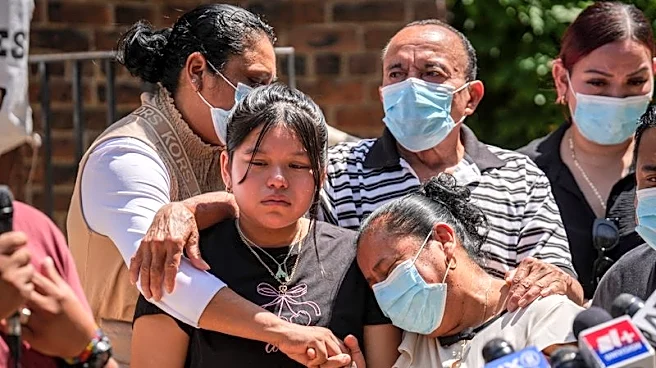
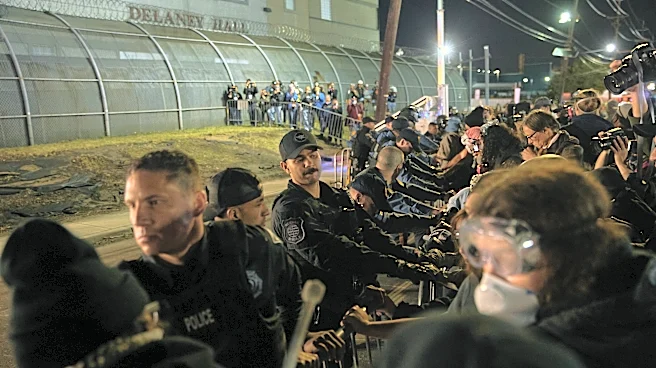
2010, will now serve as a detention center for undocumented immigrants, with the capacity to hold up to 1,600 detainees. The contract is expected to generate $75 million annually. The decision has sparked mixed reactions, with some local lawmakers and community members supporting the economic benefits and job creation, while others, including activist groups and some state legislators, criticize the use of for-profit detention facilities. The reopening is part of a broader effort by the Trump administration to increase detention capacity amid heightened deportation efforts.
Why It's Important?
The reopening of the Prairie Correctional Facility as an ICE detention center highlights the ongoing debate over immigration policy and the role of private companies in the detention system. Supporters argue that the facility will provide significant economic benefits to the region, creating approximately 450 jobs and revitalizing the local economy. However, opponents raise ethical concerns about profiting from the detention of immigrants and the potential for human rights abuses within for-profit detention centers. This development underscores the broader national conversation about immigration enforcement and the privatization of detention facilities, which has been a contentious issue in U.S. politics.
What's Next?
The facility is expected to begin receiving detainees by the end of the year, with full operations anticipated by mid-2027. As the facility ramps up, it is likely to face continued opposition from local advocacy groups and some state legislators who are exploring ways to prevent its operation. The public workers union AFSCME has also condemned the contract, emphasizing the ethical implications of for-profit detention. The situation may lead to further political and legal challenges as stakeholders on both sides of the issue mobilize to influence the outcome.
Beyond the Headlines
The reopening of the Prairie Correctional Facility raises broader questions about the future of immigration policy in the U.S. and the ethical considerations of using private companies for detention purposes. The decision reflects a shift in federal policy under the Trump administration, which reversed previous efforts to phase out private detention contracts. This move could have long-term implications for the private prison industry and its role in the U.S. justice system, potentially influencing future policy decisions and public opinion on immigration enforcement.