

What's Happening?
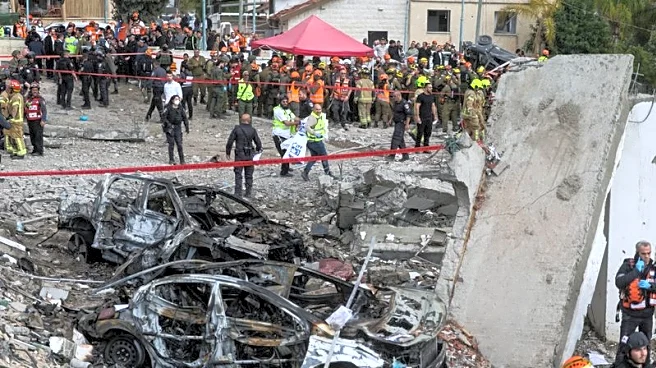
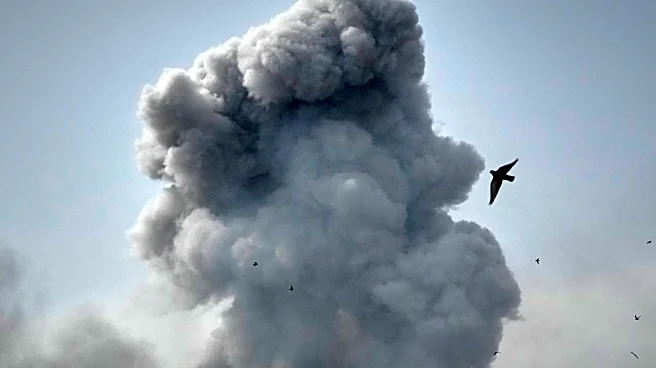
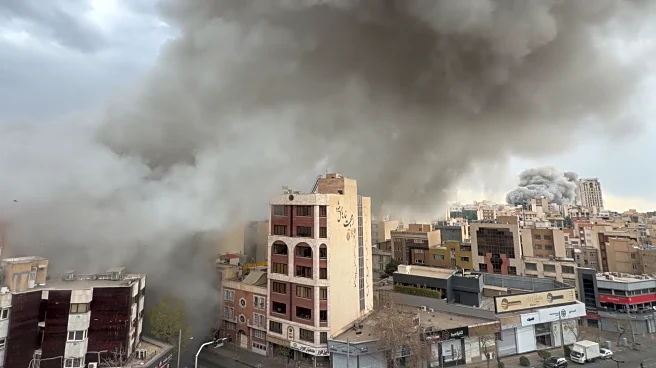
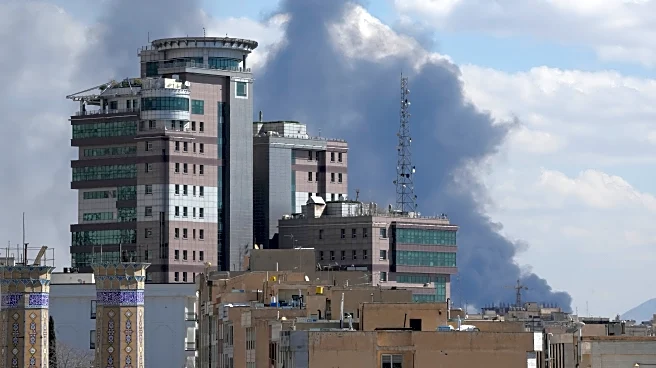
Iran has launched a series of missile and drone strikes targeting Gulf states, including the United Arab Emirates, Saudi Arabia, Qatar, Kuwait, Oman, and Bahrain. These attacks have primarily focused on civilian infrastructure such as airports, hotels,
and oil facilities, rather than solely on U.S. military bases. This aggressive move by Tehran has inadvertently aligned these Gulf states with Israel, as they face a common threat from Iran. The strikes have prompted defensive actions from the Gulf states, such as Qatar shooting down Iranian fighter planes, but they have not yet joined a military campaign against Iran. The situation echoes historical attempts to draw regional players into broader conflicts, reminiscent of Saddam Hussein's strategy during the Gulf War.
Why It's Important?
The Iranian strikes have significant geopolitical implications, potentially reshaping alliances in the Middle East. By targeting Gulf states, Iran has pushed these countries closer to Israel, a nation they have historically been at odds with. This development could lead to a new regional security dynamic, where Sunni Arab states and Israel find common ground against a shared adversary. The situation underscores the shifting priorities in the region, where the threat from Iran may overshadow traditional conflicts involving Israel. This alignment could pave the way for deeper cooperation and possibly even peace agreements, altering the strategic landscape of the Middle East.
What's Next?
The Gulf states' response to Iran's aggression remains cautious, with defensive measures in place but no formal military engagement. However, the continued threat from Iran may compel these nations to reconsider their stance and potentially join forces with Israel and the U.S. in a coordinated response. Such a move would mark a significant shift in regional politics, potentially leading to a formal alliance against Iran. The evolving situation will require careful navigation by regional leaders, balancing the need for security with the complexities of existing political relationships.
Beyond the Headlines
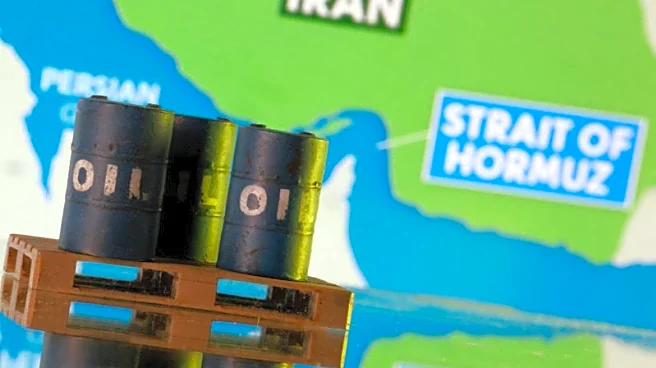
The Iranian attacks highlight the broader implications of regional power struggles and the potential for new alliances to emerge. The situation raises questions about the future of Middle Eastern diplomacy and the role of external powers in shaping regional security. The alignment of Gulf states with Israel could also influence public opinion within these countries, challenging long-held perceptions and potentially leading to a reevaluation of national priorities. This development may also impact global energy markets, given the strategic importance of the targeted infrastructure.