
What's Happening?
The Kalispell City Council has voted against a proposal to allocate $70,000 for a License Plate Recognition (LPR) camera system. Approximately 40 Flathead Valley residents attended a council meeting to protest
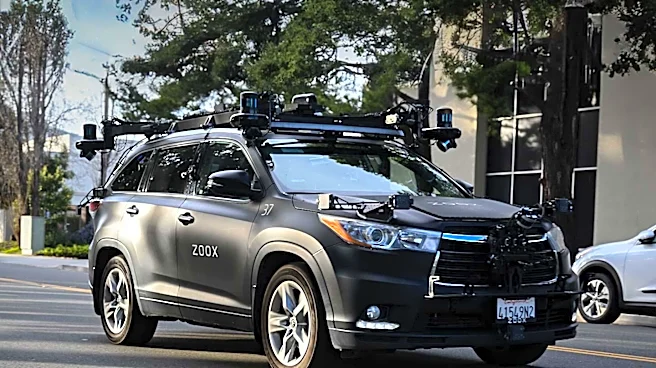
the technology, citing concerns over privacy and the potential for misuse of AI-powered surveillance. The proposed LPR system, intended for parking enforcement, would have included one vehicle-mounted camera and a service agreement with a contractor. The idea for LPRs stemmed from recommendations by the Downtown Kalispell Forward Coalition and the Parking Advisory Board, which sought to address perceived parking shortages and inefficient enforcement methods. Currently, the city relies on one full-time parking enforcement officer who manually chalks tires, a method deemed inefficient by City Manager Jarod Nygren. The rejection means the city will continue with its current, limited parking enforcement capabilities.
Why It's Important?
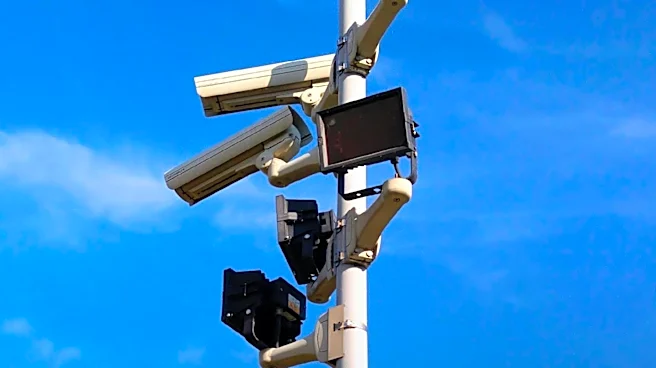
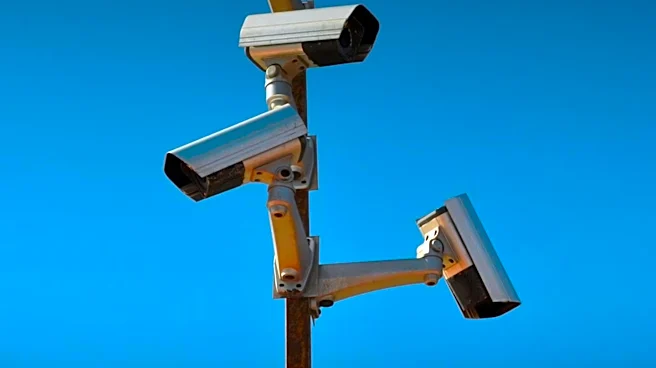
This decision by the Kalispell City Council highlights a growing national debate regarding the balance between public safety, urban management, and individual privacy in the age of advanced surveillance technology. The public's strong opposition, fueled by concerns over AI-powered cameras and data collection, reflects a broader societal apprehension about the expansion of government surveillance. For Kalispell, the immediate impact is a return to less efficient parking enforcement, potentially exacerbating downtown parking issues that local businesses have identified as problematic. The council's move to prioritize public sentiment over technological adoption could set a precedent for how other U.S. municipalities approach similar proposals, particularly those involving AI and data privacy. It also underscores the challenge cities face in finding effective solutions for urban problems while respecting citizens' rights and concerns.
What's Next?
Following the rejection of LPR camera funding, the Kalispell City Council will revert to having one full-time parking enforcement officer. Councilors acknowledged that parking issues are likely to persist and indicated that a budget amendment could be considered within the next year to address the problem. This suggests that alternative solutions, possibly involving increased personnel for manual enforcement, might be explored. Council President Kyle Waterman noted that more work sessions would be necessary to tackle the issue. The police department, which had been awaiting approval for the LPR technology before hiring and training a new dedicated staff member, will now need to reassess its strategy for parking enforcement. The ongoing public discourse around surveillance technology may continue to influence future proposals and decisions in Kalispell and other communities.
Beyond the Headlines
The Kalispell City Council's decision extends beyond a simple budget vote; it touches upon fundamental questions of trust between citizens and local government, particularly concerning the deployment of advanced technology. The public's reference to 'nationwide problems with AI-powered cameras' and instances of misuse, such as officers allegedly stalking individuals, indicates a deep-seated skepticism about the ethical implications of such systems. This event could foster increased civic engagement in technology-related policy decisions and encourage a more cautious approach from local governments when considering surveillance tools. It also highlights the tension between the perceived efficiency gains offered by technology and the potential erosion of civil liberties, prompting a re-evaluation of what constitutes acceptable levels of surveillance in a democratic society. The outcome in Kalispell may serve as a case study for other communities grappling with similar technological and ethical dilemmas.