





What's Happening?
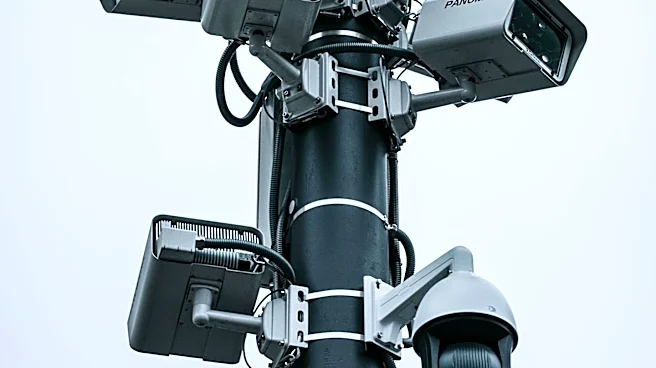
The Warwick City Council is facing calls to terminate its contracts with Flock for automated license plate reader (ALPR) cameras and Altumnit for red light cameras. Critics argue that these systems have transformed local streets into sites of warrantless
mass surveillance, infringing upon residents' constitutional rights. The WarwickPost.com commentary highlights two primary reasons for cancellation: the systems have not demonstrably improved public safety, and they allow police departments to surveil private citizens without warrants. For instance, Warwick's 11 Flock cameras captured nearly 432,000 license plate images in the last 30 days, which were searched 186 times. Additionally, the Altumnit red light camera system, which was projected to generate significant revenue, has fallen short, creating a substantial revenue deficit. Mayor Frank Picozzi had previously argued for the use of Altumnit's cameras to supplement police work, but the financial and constitutional concerns are now prominent.
Why It's Important?
This situation in Warwick reflects a broader national debate regarding privacy rights versus public safety, particularly with the increasing use of surveillance technology by law enforcement. The concerns raised about Flock and Altumnit cameras touch upon fundamental constitutional protections, specifically the Fourth Amendment's protection against unreasonable searches. The failure of these systems to meet revenue projections also highlights potential fiscal irresponsibility and misallocation of public funds. If other communities follow suit in canceling such contracts, it could lead to a reevaluation of how surveillance technologies are procured and implemented across the U.S., potentially influencing state and federal legislation on data privacy and law enforcement practices. The case of a false arrest in Cumberland, where a woman was wrongly charged based on Flock camera images, underscores the tangible risks to individuals' civil liberties.
What's Next?
Rhode Island Governor Dan McKee has already implemented a 60-day pause on ALPR installations statewide and extended a moratorium, calling for clear and consistent rules. The Rhode Island ACLU has praised McKee's stance and advocates for legislation based on House bill 8077 to establish strong, uniform interim policies. The Warwick City Council will need to decide whether to follow the lead of other Rhode Island communities, such as Glocester, South Kingstown, and Narragansett, which have canceled their Flock contracts, or Little Compton, which dropped requests for installation. Mayor Picozzi has indicated that the Warwick Police Department will conduct a "very comprehensive study" to understand why the red light camera system failed to meet revenue expectations, suggesting a continued focus on the financial aspect rather than the constitutional concerns.
Beyond the Headlines
The debate over ALPR and red light cameras extends beyond immediate privacy and revenue issues, touching on the ethical implications of outsourcing law enforcement functions to private, for-profit companies. Naval War College Professor Marc Genest noted that communities are sacrificing civil liberties for a "tiny, tiny bit more security" and entrusting sensitive data to private firms not bound by the same constitutional restrictions as government entities. This raises questions about data ownership, security, and potential misuse, as some residents fear Flock could sell their data. The current system allows for charges based solely on camera footage, bypassing traditional legal processes that require officers to measure speeding, stop drivers, and present evidence in court, thereby eroding due process and the presumption of innocence. This trend could lead to a significant shift in the balance of power between citizens and surveillance entities.