
What's Happening?
Admiral Alvin Holsey, who has been overseeing U.S. military forces in South America, has relinquished his command at the U.S. Southern Command headquarters in Doral, Florida. This change in leadership
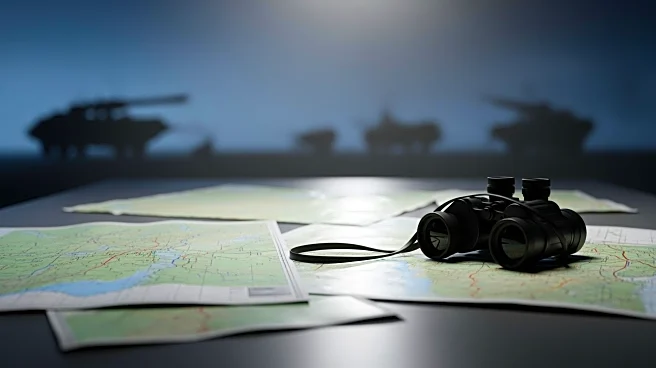
comes as the U.S. continues to increase its military presence in the Caribbean, particularly near Venezuela. The buildup includes approximately 15,000 personnel, warships, and the world's largest aircraft carrier, the USS Gerald R. Ford. Holsey, who served in the Navy for 37 years, announced his early retirement in October, a year into his typical three-year term. His tenure saw the expansion of U.S. Southern Command's personnel from 3,500 to nearly 15,000. The command has been actively involved in 'Operation Southern Spear,' targeting alleged drug boats, which has led to the destruction of 23 vessels and the deaths of 87 individuals. The operation has faced scrutiny, particularly after a controversial 'double tap' strike. Holsey's duties have been transferred to Air Force Lt. Gen. Evan Lamar Pettus, who will serve as acting commander until a new nomination is confirmed by the Senate.
Why It's Important?
The increased U.S. military presence in the Caribbean signifies a strategic shift in the region, likely aimed at exerting pressure on Venezuela's President Nicolas Maduro. This buildup is the largest in decades and reflects the Trump administration's ongoing efforts to counteract Maduro's regime. The military operations, including the controversial strikes, have drawn attention from U.S. lawmakers, raising questions about the objectives and implications of such actions. The presence of significant military assets, including the USS Gerald R. Ford, underscores the seriousness of the U.S. stance. This development could impact U.S.-Venezuela relations and influence regional stability, potentially affecting international diplomatic and economic engagements.
What's Next?
With Lt. Gen. Evan Lamar Pettus now acting as the commander, the U.S. Southern Command is expected to continue its operations in the region. The Pentagon will need to nominate a permanent successor, who will require Senate confirmation. The ongoing military activities and the buildup are likely to remain under congressional scrutiny, especially concerning the legality and ethical implications of the operations. The U.S. may continue to leverage its military presence to influence political outcomes in Venezuela, potentially leading to further diplomatic tensions. The situation will require careful monitoring to assess the impact on regional security and U.S. foreign policy.