








What's Happening?
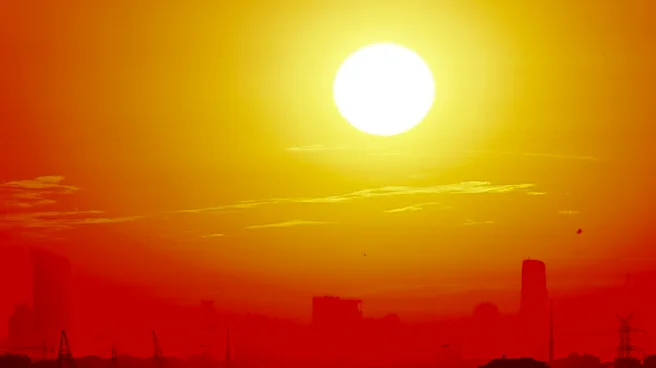
Europe is experiencing a significant energy crisis exacerbated by extreme heat waves, which have led to power outages and increased demand for air conditioning. Despite the rising temperatures, only about 20% of European households have air conditioning,
compared to 90% in the U.S. This reluctance is partly due to historical stoicism, high energy costs, and environmental concerns. The lack of domestic natural gas supplies in many European nations results in higher energy costs, making air conditioning an expensive option. The European Union aims to be climate neutral by 2050, and countries like Spain, Italy, and Greece have limited the cooling of public buildings to mitigate climate change impacts. The push towards renewable energy and energy-efficient solutions, such as solar power and heat pumps, is seen as a way to address these challenges.
Why It's Important?
The energy crisis in Europe highlights the continent's vulnerability to climate change and its reliance on imported energy. The high cost of energy and the reluctance to adopt air conditioning could lead to increased heat-related health issues. The situation underscores the need for Europe to invest in renewable energy and modernize its infrastructure to cope with extreme weather conditions. The transition to renewable energy is crucial for reducing greenhouse gas emissions and achieving climate neutrality. However, the slow uptake of energy-efficient technologies like heat pumps indicates potential challenges in meeting these goals. The crisis also serves as a warning for other regions facing similar climate challenges.
What's Next?
Europe is likely to continue facing pressure to adopt more energy-efficient cooling solutions as heat waves become more frequent and intense. Governments may need to implement policies that encourage the adoption of renewable energy and energy-efficient technologies. The EU's goal of climate neutrality by 2050 will require significant investment in infrastructure and technology. Public awareness and acceptance of these changes will be crucial in driving the transition. Additionally, the energy crisis may prompt further discussions on energy security and the need for a diversified energy supply.