






What's Happening?
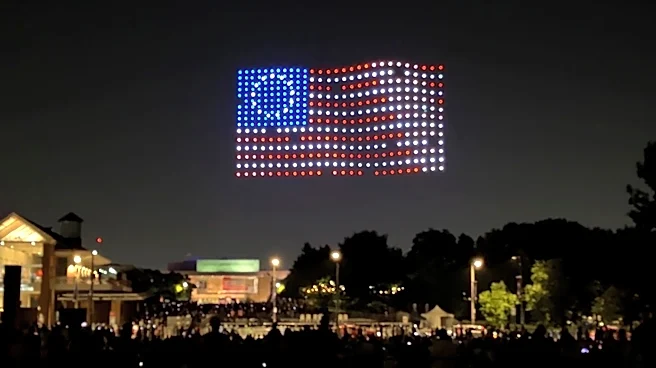
A significant heat dome is expected to impact large parts of the United States over the Fourth of July weekend, raising concerns about the safety of outdoor events. According to NOAA's Weather Prediction Center, areas in the Mid-Atlantic, Northeast urban
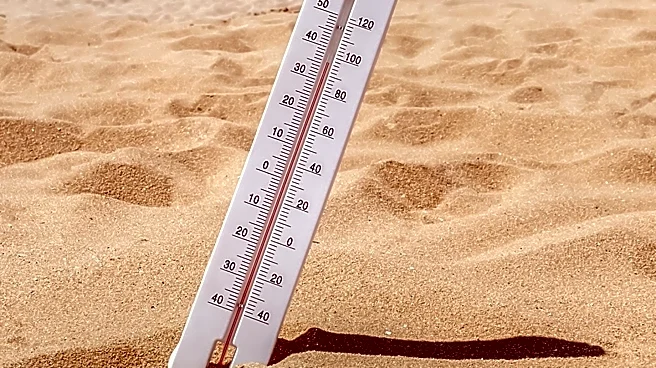
corridor, and the Southeast are forecast to experience oppressive humidity and scorching temperatures, with heat index values reaching 105 degrees or higher. Cities like Richmond, Virginia, and Washington, D.C., are expected to see heat indices as high as 115 and 110, respectively. The heat index, which combines temperature and humidity, is crucial as it affects how hot the weather feels to the human body. This extreme heat poses a risk, particularly to young children, older adults, and individuals with medical conditions. Experts advise that if the heat index is forecasted to be 105 or higher, event organizers should consider altering plans, especially if there is little shade, the event is lengthy, or involves alcohol consumption.
Why It's Important?
The extreme heat conditions forecasted for the Fourth of July weekend could have significant health implications. High heat index values increase the risk of heat-related illnesses, which can be dangerous or even fatal. This is particularly concerning for vulnerable populations such as the elderly, young children, and those with pre-existing health conditions. The potential for heat-related health issues necessitates careful planning and precautionary measures for outdoor events. The economic impact could also be notable, as businesses and event organizers may need to adjust or cancel plans, affecting revenue. Additionally, public health systems may face increased pressure due to potential heat-related emergencies.
What's Next?
As the heat dome approaches, individuals and event organizers are advised to monitor local weather forecasts and heat index values closely. The Centers for Disease Control and Prevention and NOAA provide resources such as Heat.gov for tracking heat risks. Precautionary measures include ensuring access to shade, hydration, and air-conditioned spaces. Event organizers may need to consider rescheduling or relocating events indoors to mitigate health risks. Public health advisories and community alerts are likely to increase as the weekend approaches, emphasizing the importance of heat safety.