






What's Happening?
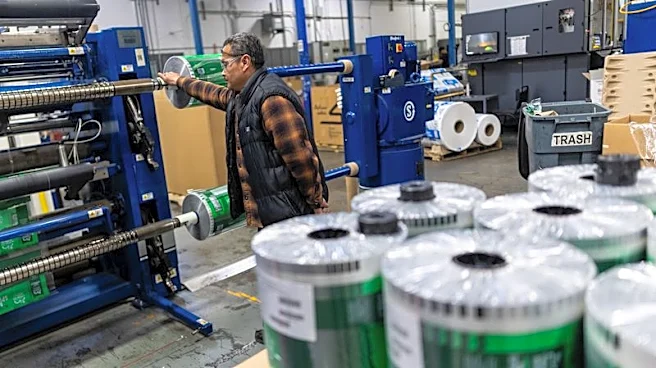
China's factory-gate prices have increased for the first time in over three years, driven by a surge in global oil prices due to the ongoing conflict in Iran. The producer price index (PPI) rose by 0.5% year-on-year in March, ending a prolonged deflationary
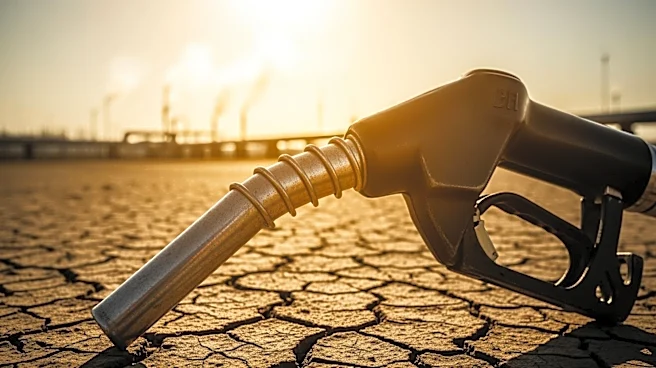
period. This increase is attributed to the sharp rise in oil prices, as the conflict has disrupted global energy markets. The consumer price index (CPI) also saw a 1% increase, although it fell short of economists' expectations. China's strategic oil reserves and diversified energy sources have provided some economic stability, but the country still faces potential inflationary pressures.
Why It's Important?
The rise in China's factory prices is significant as it reflects the broader impact of geopolitical tensions on global markets. As the world's largest oil importer, China's economic adjustments can influence global supply chains and trade dynamics. The increase in PPI suggests potential cost pressures for manufacturers, which could lead to higher prices for goods globally. This development also highlights the interconnectedness of global economies, where regional conflicts can have far-reaching economic consequences. For the U.S., changes in China's economic conditions could affect trade relations and import prices, influencing domestic inflation and economic policy decisions.
What's Next?
China's economic outlook will depend on the duration and resolution of the Iran conflict. If oil prices remain high, China may face continued inflationary pressures, affecting its economic growth and trade balance. The Chinese government may implement policy measures to stabilize the economy, such as adjusting interest rates or increasing energy efficiency. Global markets will closely watch China's economic policies, as they can impact international trade and investment flows. For the U.S., monitoring China's economic developments will be crucial in assessing potential impacts on domestic inflation and trade policies.