







What's Happening?
Save the Children, a global non-profit organization with over a century of history, is actively working to address persistent challenges faced by children worldwide, including poverty, hunger, illiteracy, and disease. The organization's mission is encapsulated
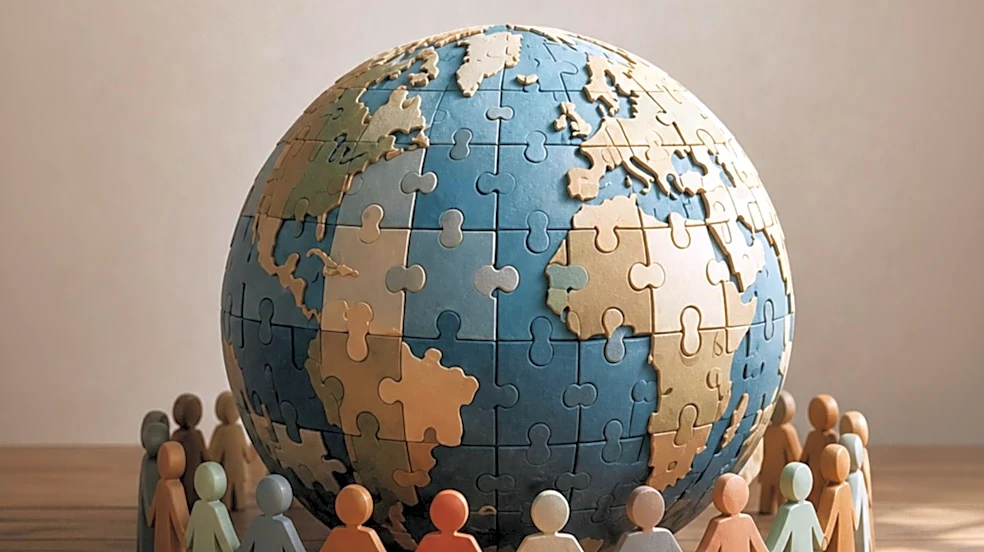
in its 2030 breakthroughs: 'Survive, Learn, and Be Protected,' aiming to prevent preventable child deaths before age five, ensure access to quality education, and eliminate violence against children. Elena Gentili, Head of Advocacy and Policy at Save the Children Italy, highlighted that the organization not only responds to immediate crises but also tackles underlying causes through programs, local initiatives, research, and dialogue with institutions. This approach seeks systemic changes in policies, regulations, and funding to create lasting positive impacts on children's lives. Save the Children operates in over 100 countries, focusing on various issues such as educational poverty, protecting migrant children, responding to humanitarian crises, and addressing the impacts of climate change on children. The organization emphasizes working 'with' children, listening to their voices, and supporting their active participation in decision-making processes.
Why It's Important?
Save the Children's comprehensive approach is crucial because it moves beyond immediate aid to address the systemic issues that perpetuate child vulnerability. By focusing on advocacy and policy change, the organization aims to influence governments and international bodies to create more equitable and protective environments for children. This long-term strategy is vital for sustainable development and ensuring that children's rights are upheld globally. The emphasis on education, health, and protection directly impacts future generations, fostering healthier, more educated, and resilient societies. The organization's work in conflict zones and areas affected by climate change is particularly significant, as these crises disproportionately affect children, leading to loss of education, displacement, and psychological trauma. By investing in prevention and strengthening local communities, Save the Children helps build resilience against future crises, reducing the need for emergency interventions and promoting lasting peace and stability.
What's Next?
Save the Children plans to continue its multi-faceted approach, focusing on both immediate humanitarian aid and long-term systemic change. The organization aims to reach 17.8 million people, including 10.1 million children, across 45 countries through its 2026 humanitarian plan, with increased investment in prevention and local community leadership. A key focus will be on addressing the impacts of climate change on children, with plans to participate in COP31 for the fifth time to advocate for faster emissions reductions and link climate issues to children's rights. The organization will also continue its advocacy efforts to influence policies related to migration, educational poverty, and child protection, such as monitoring the implementation of laws like Italy's Zampa Law and the European Pact on Migration and Asylum. Furthermore, Save the Children will persist in developing educational programs to empower young people to recognize risks and propose solutions for change, ensuring children's voices are central to future policy decisions.
Beyond the Headlines
The work of Save the Children highlights the profound ethical and societal responsibility to protect the most vulnerable members of society. The organization's commitment to working 'with' children, rather than just 'for' them, underscores a shift towards recognizing children as active agents of change with inherent rights and valuable perspectives. This approach challenges traditional notions of childhood vulnerability by empowering children to participate in decisions that affect their lives. Furthermore, Save the Children's focus on the interconnectedness of global crises—such as poverty, conflict, and climate change—reveals the complex challenges facing humanity and the need for integrated solutions. The organization's efforts to reduce inequalities and strengthen social cohesion are critical for building lasting peace, as peace is defined not merely by the absence of war but by the presence of equitable opportunities and social justice. This holistic view suggests that true societal progress requires addressing root causes and fostering inclusive systems that benefit all, especially children.