
What's Happening?
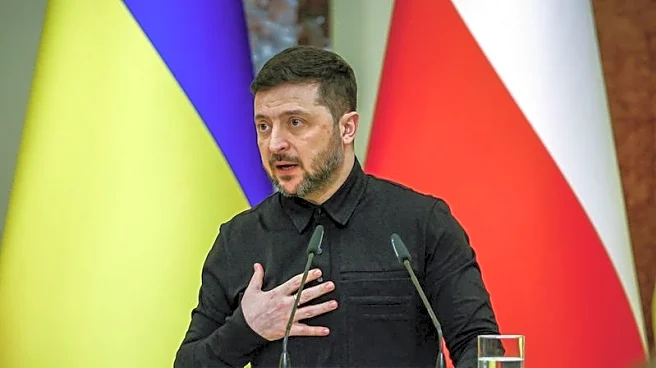
Russian Deputy Foreign Minister Sergey Ryabkov announced that Russia and Ukraine are close to reaching a diplomatic solution to end the ongoing conflict. Ryabkov stated that the two countries are 'on the verge'
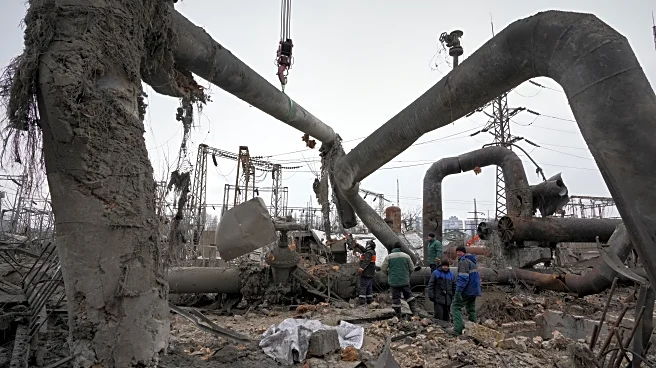
of a deal, with 90% of the issues reportedly resolved. However, significant obstacles remain, particularly regarding Russia's demand for control over Crimea and other territories, which Ukraine refuses to concede. The talks involve U.S. officials and aim to end the full-scale invasion that began in February 2022. Russia also opposes any NATO troop presence in Ukraine as part of a security guarantee. The discussions are part of a broader effort to secure peace and address the geopolitical tensions in the region.
Why It's Important?
The potential peace deal is crucial for stabilizing Eastern Europe and reducing geopolitical tensions that have global implications. A resolution could lead to the lifting of economic sanctions on Russia, impacting global markets and economies. For Ukraine, maintaining territorial integrity is vital for national sovereignty and security. The U.S. and European allies are heavily invested in the outcome, as it affects NATO's strategic positioning and the broader security architecture in Europe. The resolution of this conflict could also influence global energy markets, given Russia's role as a major energy supplier.
What's Next?
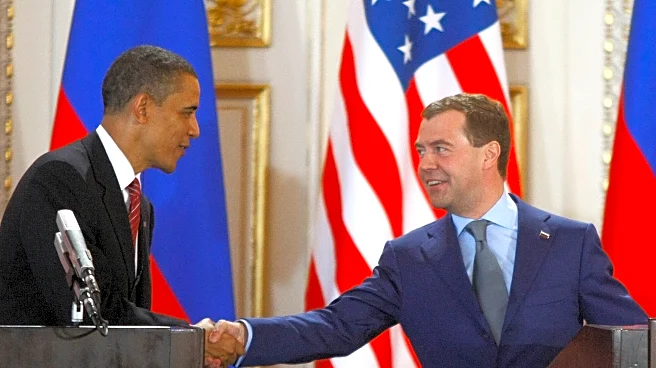
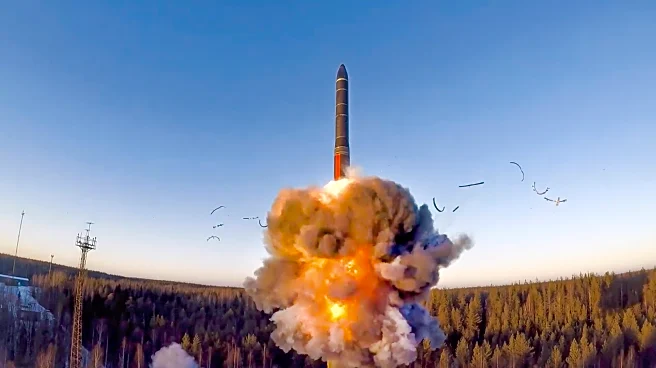
If a peace deal is reached, the next steps would involve formalizing the agreement and ensuring compliance from both parties. This may include international monitoring and potential involvement of peacekeeping forces. The U.S. and European nations will likely play a significant role in guaranteeing the terms of the agreement. Additionally, the resolution could lead to renewed discussions on arms control and nuclear treaties between the U.S. and Russia, as indicated by Ryabkov's comments on bilateral relations.