




What's Happening?
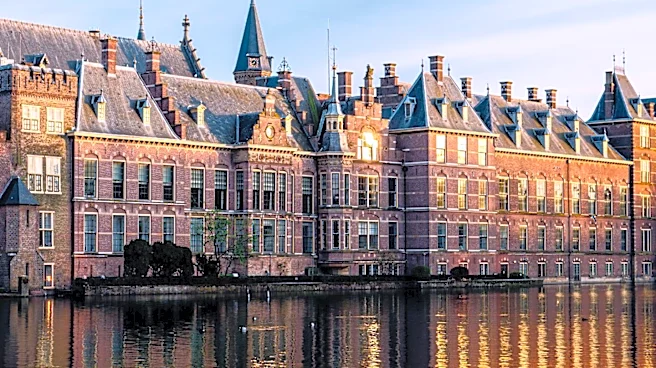
A coalition of 46 agrifood organizations in the Netherlands is advocating for the Dutch government to establish a national action plan and an annual fund of €65 million to accelerate the production and consumption of plant-based foods. This initiative
aims to increase the share of plant protein consumption to at least 50% by 2030. The proposed strategy, outlined in a document presented to MPs Joris Lohman and Anne-Marijke Podt, is built on five core pillars: stimulating demand and improving the food environment, strengthening cultivation through farmer support and value chain cooperation, utilizing public procurement, expanding research and innovation, and bolstering international positioning. Signatories to this call include major food producers, retailers, trade bodies, non-profits, foodservice operators, and educational institutions, highlighting a broad consensus within the agrifood sector. The funding would be invested across the entire plant-based food value chain, from cultivation and processing to product development and consumer behavior, with a third specifically allocated for organic plant-based farming.
Why It's Important?
This proposal is significant as it represents a concerted effort from a diverse group of stakeholders to drive a national shift towards a more plant-based food system. Such a transition in a developed economy like the Netherlands could serve as a model for other nations, including the U.S., which faces similar challenges in public health, environmental sustainability, and food security. A successful implementation could lead to a healthier population, reduced healthcare costs, and a significant decrease in environmental and climate impact, aligning with broader European objectives on agriculture and climate. For U.S. businesses and policymakers, this initiative demonstrates the potential for government-backed strategies to foster innovation and create new economic opportunities in the plant-based sector. It also underscores the growing consumer demand for sustainable and healthy food options, which could influence investment and policy decisions in the U.S. food industry.
What's Next?
The coalition is hoping to work with the Dutch government to develop a concrete action plan, with the proposed €65 million annual fund bridging supply and demand across the plant-based food value chain. The investment plan would support partnerships addressing bottlenecks in the protein transition and would ideally be managed by an experienced implementation body, such as the Netherlands Enterprise Agency (RVO), with oversight from an independent advisory committee. The call takes inspiration from Denmark's national plant-based action plan, which allocated a substantial fund to bolster its plant-based sector. The Dutch proposal also aligns with the EU's recently announced Protein Plan. The agriculture ministry and a broad majority in the Dutch House of Representatives are currently working on policies to stimulate plant-based food consumption, suggesting that the coalition's proposal may find receptive ears within the government.
Beyond the Headlines
The push for a national plant-based strategy in the Netherlands reflects a deeper global trend towards sustainable food systems and a recognition of the interconnectedness of public health, environmental well-being, and economic resilience. Beyond the immediate economic benefits and health improvements, such a strategy could foster significant cultural shifts in dietary habits and agricultural practices. It highlights the ethical considerations surrounding food production, including animal welfare and the environmental footprint of traditional agriculture. The emphasis on public investment and collaboration between government, industry, and civil society organizations suggests a model for addressing complex societal challenges that could be replicated in other sectors. This initiative also underscores the increasing role of plant-based foods in achieving national and international climate goals, positioning them not just as a dietary choice but as a critical component of a sustainable future.