



What's Happening?
U.S. Senators Kirsten Gillibrand and Chuck Schumer have announced over $1.4 million in Federal Emergency Management Agency (FEMA) grants for New York State. This federal funding is designated to support ongoing disaster relief and recovery efforts across
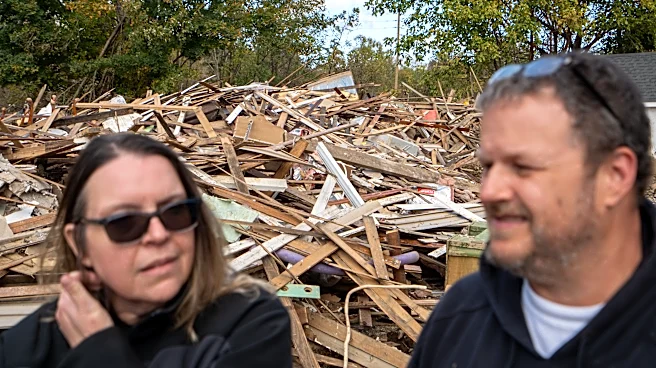
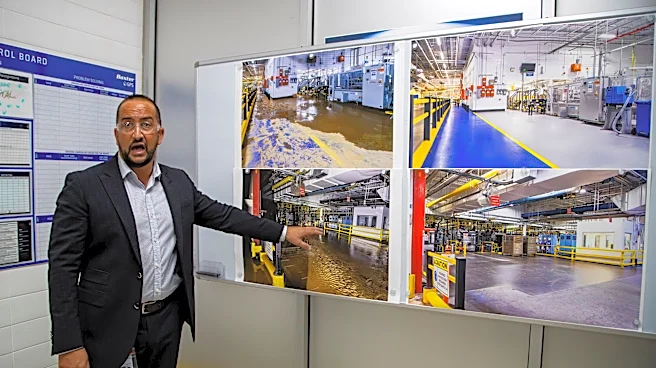
the state. Specifically, more than $1 million will be allocated to repair critical infrastructure that sustained damage from severe weather and fires. Additionally, over $400,000 will be used to reimburse hospitals and health networks for emergency measures undertaken during the COVID-19 pandemic. Senator Gillibrand, a member of the Senate Appropriations Committee, emphasized the importance of this critical federal funding for communities facing the impacts of severe weather and the continued costs associated with pandemic recovery. Senator Schumer highlighted that these funds will help New Yorkers recover from catastrophes and build a safer, more resilient future for the state.
Why It's Important?
This allocation of federal funding is crucial for New York State's recovery and resilience efforts. The significant portion dedicated to infrastructure repair addresses the tangible damage caused by increasingly frequent severe weather events, which have a direct impact on daily life, transportation, and economic activity. By rebuilding and strengthening infrastructure, communities can better withstand future disasters, reducing long-term costs and disruptions. The reimbursement for pandemic-related emergency measures is vital for healthcare institutions, many of which faced unprecedented financial strain while responding to the COVID-19 crisis. This funding helps ensure that hospitals and health networks can continue to provide essential services and are better prepared for future public health emergencies. The combined impact of these grants supports both immediate recovery needs and long-term preparedness, benefiting residents, businesses, and the overall public health system in New York.
What's Next?
The offices of Senators Gillibrand and Schumer will continue to monitor the distribution of these FEMA funds to ensure their efficient delivery to the impacted communities. This oversight is critical to ensure that the money is used effectively for its intended purposes: repairing infrastructure and reimbursing healthcare providers. Local and state agencies will be responsible for implementing the recovery projects and managing the reimbursements, which will involve detailed planning and execution. The ongoing efforts to recover from past disasters and prepare for future ones will likely involve further assessments of infrastructure vulnerabilities and healthcare system needs. This funding may also serve as a precedent for future federal aid requests, highlighting the continuous need for robust disaster preparedness and response mechanisms in the face of climate change and potential public health crises.
Beyond the Headlines
The announcement of these disaster recovery funds underscores a broader national challenge: the increasing frequency and intensity of natural disasters and the ongoing need for robust public health infrastructure. While this funding addresses immediate needs, it also highlights the long-term financial burden placed on states and the federal government due to climate change-related events. The reimbursement for COVID-19 measures also points to the systemic vulnerabilities exposed by the pandemic and the necessity of sustained investment in healthcare preparedness. This situation raises questions about the sustainability of current disaster relief models and the need for proactive, preventative measures rather than solely reactive responses. It also emphasizes the critical role of federal-state partnerships in addressing complex challenges that transcend local capabilities, fostering a sense of collective responsibility for community resilience and public well-being.