


What's Happening?
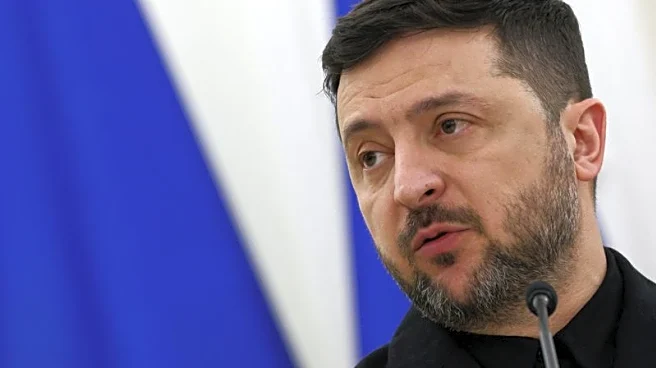
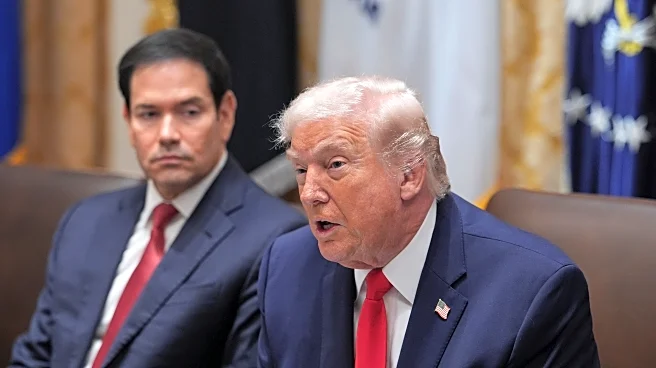
Ukrainian President Volodymyr Zelensky has expressed support for a ceasefire on energy infrastructure, contingent on Russia halting its attacks. This follows President Trump's announcement that Russian President Vladimir Putin agreed to pause attacks due
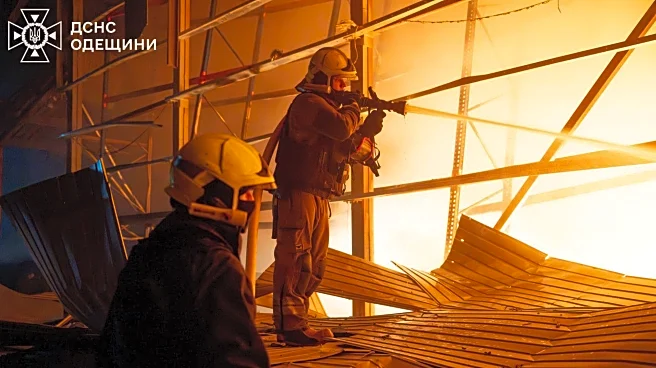
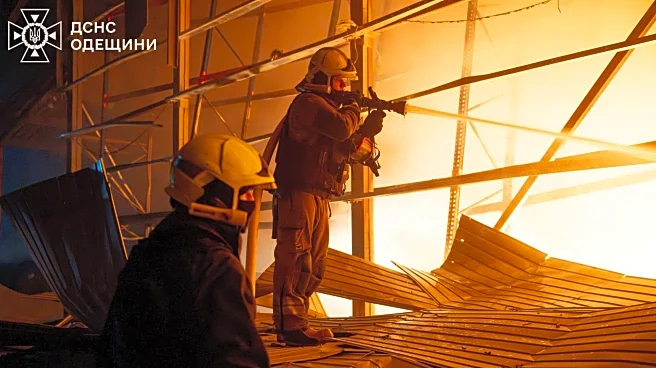
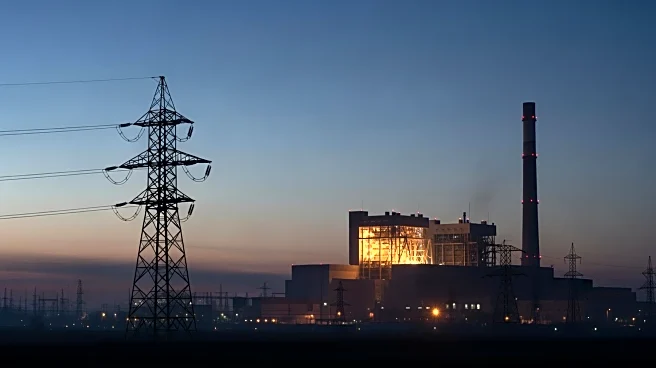
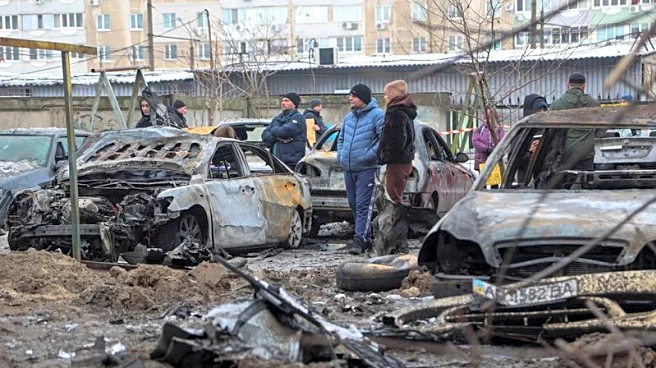
to severe winter conditions. Despite this, Russian forces launched drone and missile attacks on Ukraine, damaging infrastructure in the Zaporizhzhia and Chernigiv regions. The ongoing strikes have disrupted essential services, exacerbating the humanitarian crisis. The situation comes as Russian and Ukrainian negotiators prepare for talks in Abu Dhabi, focusing on unresolved territorial issues.
Why It's Important?
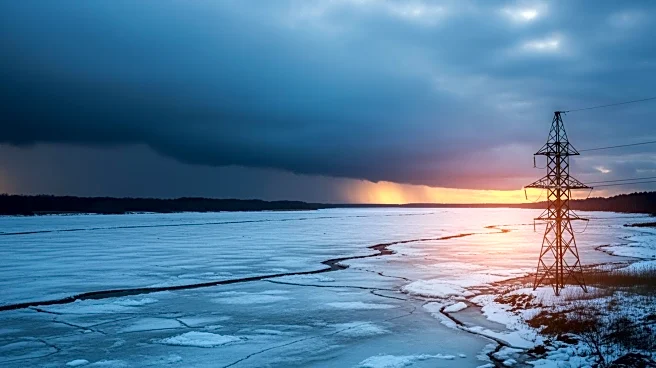
The proposed energy ceasefire highlights the critical humanitarian impact of the conflict, with millions facing harsh winter conditions without essential services. The involvement of President Trump in negotiating a pause underscores the international dimension of the conflict and the potential for diplomatic interventions. The continued attacks despite the proposed ceasefire illustrate the complexities and challenges in achieving a lasting resolution. The situation underscores the need for effective diplomatic efforts to address both humanitarian and territorial issues, with significant implications for regional stability and international relations.
What's Next?
The upcoming negotiations in Abu Dhabi may provide an opportunity for progress on key issues, including territorial control and humanitarian relief. The international community will likely continue to monitor developments closely, with potential diplomatic interventions to support a resolution. The situation remains dynamic, with the possibility of further escalations or breakthroughs in negotiations. Stakeholders, including political leaders and international organizations, will likely continue to engage in efforts to support a peaceful resolution and address the humanitarian crisis.