






What's Happening?
The World Meteorological Organisation (WMO) has issued a warning that the current El Niño event could reach unprecedented strength, potentially surpassing monitoring thresholds of the past four decades. This has prompted the United Nations to call for
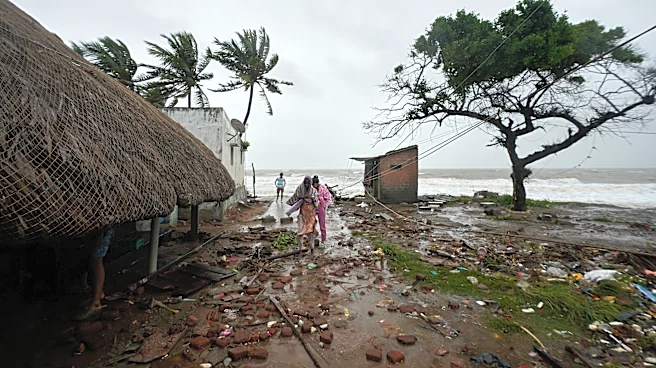
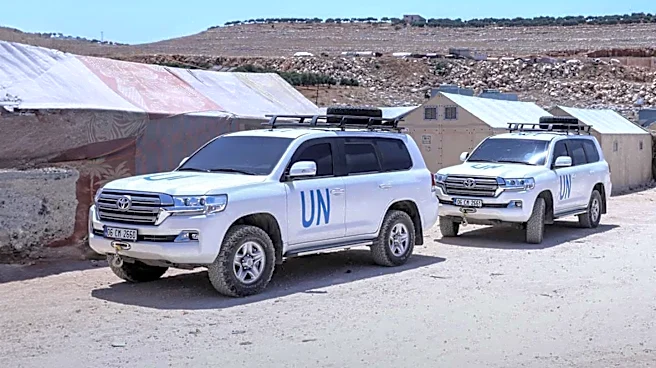
immediate preventive measures to protect communities already struggling with poverty, food insecurity, and limited access to essential services. Celeste Saulo, head of the WMO, and UN humanitarian chief Tom Fletcher emphasized the need for urgent, coordinated anticipatory action to mitigate the worst human consequences of El Niño. Fletcher described El Niño as a 'wrecking ball' capable of causing widespread havoc, with up to 50 million people at risk of increased hunger due to disruptions to livelihoods, infrastructure damage, and threats to food supplies across Latin America, eastern and southern Africa, Asia, and the Pacific.
Why It's Important?
The potential for an unprecedentedly strong El Niño event carries significant global implications, particularly for vulnerable populations. The phenomenon's capacity to trigger extreme weather events—ranging from severe floods and droughts to soaring temperatures—directly threatens food security, water availability, and public health on a massive scale. The warning of 50 million people facing increased hunger highlights the fragility of global food systems and the disproportionate impact on communities with limited resources. This situation can exacerbate existing humanitarian crises, lead to mass displacement, and strain international aid efforts. The call for anticipatory action underscores a shift towards proactive disaster risk reduction, recognizing that early intervention can significantly reduce human suffering and economic losses. Failure to act could result in widespread malnutrition, disease outbreaks, and prolonged instability in affected regions, with potential ripple effects on global supply chains and migration patterns.
What's Next?
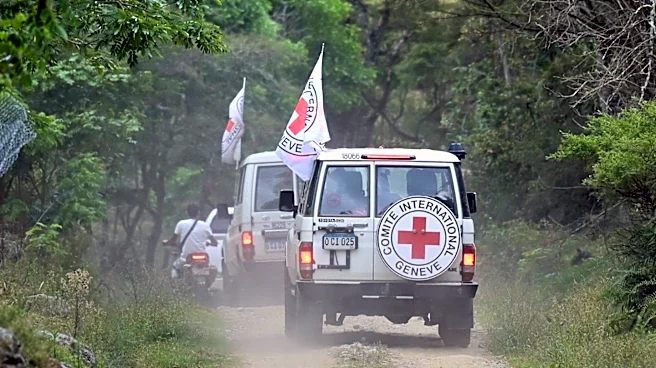
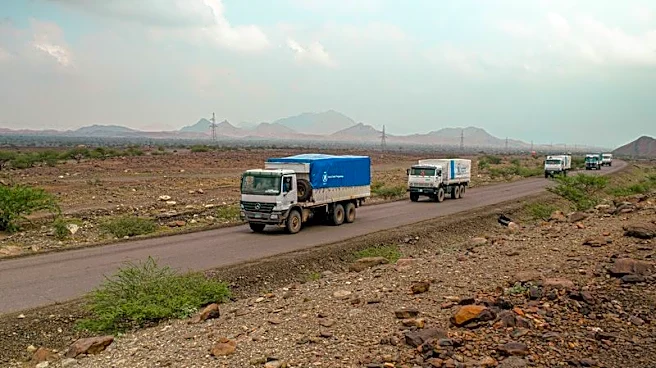
The UN and WMO are urging governments and aid agencies to implement immediate preventive measures. Key actions include strengthening early-warning systems for weather forecasting, flood monitoring, fire-risk alerts, and drought surveillance, ensuring these warnings reach remote communities in accessible languages. Authorities are advised to prepare for disasters by identifying high-risk settlements, establishing evacuation routes, preparing emergency shelters, and pre-positioning essential supplies like food, water, and medicines. Protecting food and water security involves providing farmers with timely weather information, water-efficient irrigation, drought-resistant crops, and support for livestock. Additionally, improving flood and fire preparedness through better drainage, resilient infrastructure, and public education is crucial. The UN also stresses the need to close humanitarian funding gaps, mobilize resources before disasters peak, and protect the most vulnerable populations. These measures aim to reduce the human cost of El Niño by fostering resilience and enabling quicker, more effective responses.
Beyond the Headlines
The impending El Niño crisis highlights the complex interplay between natural climate phenomena and human-driven climate change, with the latter intensifying the impacts of the former. This situation underscores the urgent need for global climate action beyond immediate disaster response, including significant reductions in greenhouse gas emissions and investments in sustainable water and land management. The emphasis on anticipatory action also reflects a growing recognition of the economic and social benefits of proactive measures over reactive relief efforts. Furthermore, the crisis exposes deep-seated inequalities, as communities already struggling with poverty and limited infrastructure are the most vulnerable to extreme weather events. This calls for a re-evaluation of international development strategies to build long-term resilience and equity, ensuring that all populations have the capacity to adapt to a changing climate and mitigate its devastating consequences.