



What's Happening?
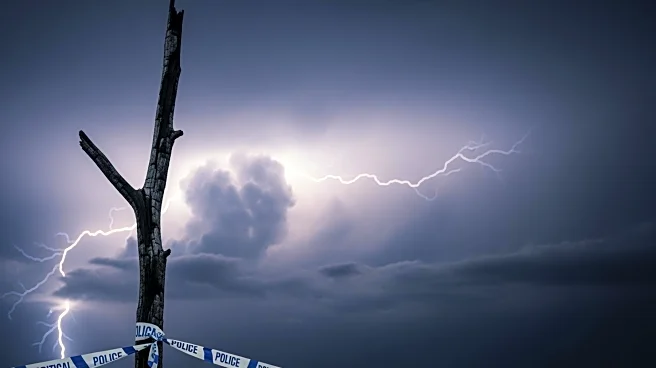
Lightning strikes, which can deliver up to 100 million volts, have profound effects on the human body and mind. Survivors often experience a range of symptoms, from immediate physical injuries like burns and broken bones to long-term neurological issues
such as memory loss, sleep disturbances, and sensory changes. The severity of injuries depends on various factors, including the path of the current through the body. While some survivors recover without visible scars, many report lasting psychological and physical effects, including phantom sensations and altered perceptions. Despite the dramatic nature of these events, standard medical imaging often fails to detect abnormalities, leaving survivors with little medical guidance.
Why It's Important?
Understanding the impact of lightning strikes is crucial for improving medical responses and support for survivors. The lack of visible injuries and the rarity of such events can lead to skepticism and inadequate care from medical professionals. This highlights the need for increased awareness and research into the long-term effects of electrical injuries. For survivors, the psychological impact can be as debilitating as the physical injuries, affecting their quality of life and mental health. Greater recognition of these challenges can lead to better support systems and therapeutic interventions, helping survivors cope with their experiences.
Beyond the Headlines
The experiences of lightning strike survivors raise broader questions about the nature of trauma and recovery. The unpredictable and often invisible nature of their injuries challenges conventional medical understanding and highlights the limitations of current diagnostic tools. This situation underscores the importance of listening to patient narratives and considering alternative therapeutic approaches. Additionally, the community of survivors, who often find solace and validation in shared experiences, exemplifies the power of peer support in managing chronic conditions. As research progresses, new diagnostic methods, such as potential biological markers for lightning injuries, could transform the way these cases are understood and treated.