





What's Happening?
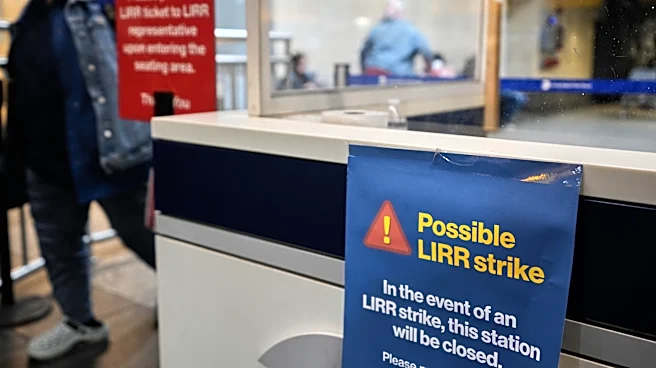
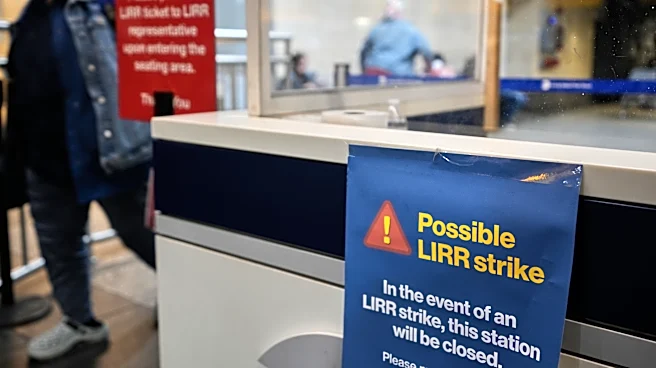
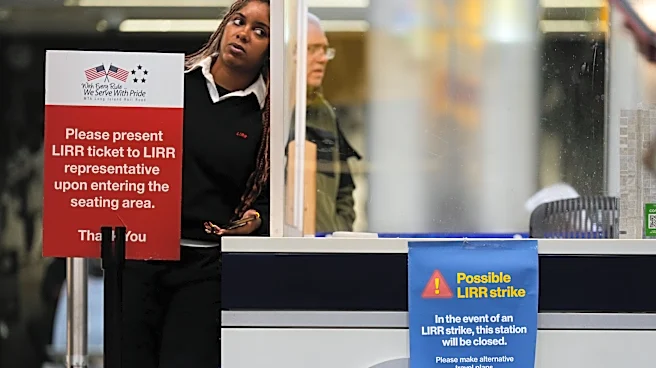
The Long Island Rail Road (LIRR), recognized as North America's busiest commuter rail system, has come to a standstill due to a strike. This marks the first strike for the LIRR since 1994. The work stoppage has left thousands of commuters seeking alternative
transportation options. CBS News New York's John Dias reported on the strike's impact, while Kristie Keleshian explored other means of commuting during this period. The strike has caused significant disruptions, affecting daily routines and prompting concerns over prolonged transportation challenges.
Why It's Important?
The LIRR is a critical component of the New York metropolitan area's transportation infrastructure, serving as a primary mode of transit for countless commuters. The strike's impact extends beyond individual inconvenience, potentially affecting economic productivity and local businesses reliant on commuter traffic. The disruption highlights the vulnerability of urban transit systems to labor disputes and underscores the importance of maintaining robust contingency plans. Stakeholders, including city officials and business leaders, are likely to push for a swift resolution to minimize economic fallout and restore normalcy.
What's Next?
Negotiations between the LIRR management and the striking workers are expected to intensify as both parties seek a resolution. Commuters and businesses will be closely monitoring developments, hoping for a quick end to the strike. In the interim, increased demand for alternative transportation methods, such as buses and ride-sharing services, is anticipated. The situation may prompt discussions on long-term strategies to prevent future disruptions, including potential policy changes or infrastructure investments to enhance system resilience.