







What's Happening?
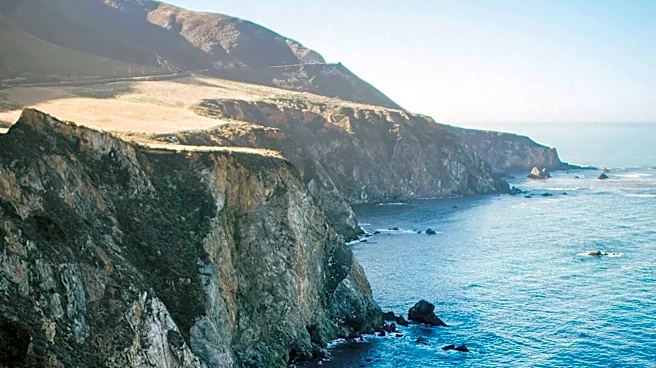
California is actively opposing the Trump administration's plan to limit the state's control over its coastline. The National Oceanic and Atmospheric Administration (NOAA) is conducting an investigation that could strip California of its authority to reject
federal projects under the Coastal Zone Management Act (CZMA). This move is seen as an attempt to open the Pacific Coast to new oil drilling and other federal projects. Hundreds of Californians, including environmental leaders and elected officials, have rallied against this federal review, fearing it could lead to increased offshore drilling and environmental risks.
Why It's Important?
The outcome of this federal review could set a precedent for other coastal states, potentially reducing their ability to manage their own coastal resources. This could lead to increased federal control over coastal development, impacting local economies and environmental policies. California's resistance highlights the ongoing tension between state and federal governments over environmental regulation. The state's ability to maintain its environmental standards and protect its coastline is crucial for its economy, tourism, and ecological preservation. The situation underscores the broader national debate over state versus federal authority in environmental governance.
What's Next?
The NOAA's review process will continue with public hearings and a comment period, allowing stakeholders to express their concerns. California is expected to challenge any federal attempts to reduce its coastal management authority, potentially leading to legal battles. The state's environmental agencies will likely continue to advocate for maintaining their current oversight capabilities. The outcome of this review could influence future federal-state relations regarding environmental policy and coastal management. Stakeholders, including environmental groups and local governments, will closely monitor the situation to ensure their interests are represented.