






What's Happening?
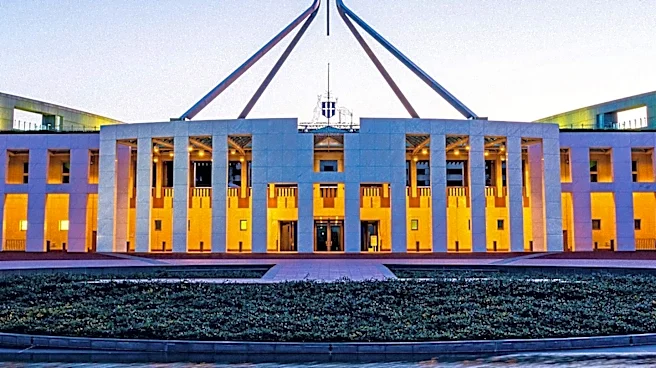
Australia has emerged as the leading provider of development finance in the Pacific region, surpassing China, according to the 2026 Lowy Institute Pacific Aid Map. The report highlights Australia's significant contribution of USD 1.5 billion in aid to the Pacific in 2024,
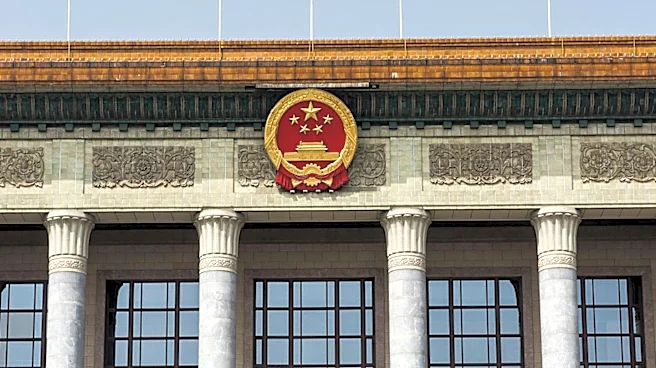
accounting for 37% of all development finance in the region. This marks a shift from China's previous dominance in the area. The report tracks over 50,000 projects worth USD 60 billion in official development finance across the Pacific Islands from 2008 to 2024. While China's grant commitments reached a record high in 2024, its lending has decreased significantly, with new loan commitments dropping to around USD 90 million annually since 2020. The United States has also renewed its Compacts of Free Association with key Pacific states, committing USD 7.1 billion over the 2024-2043 period.
Why It's Important?
The shift in aid dynamics in the Pacific region is significant as it reflects the ongoing geopolitical contest for influence between major powers like Australia, China, and the United States. Australia's increased aid and infrastructure investment play a stabilizing role in the Pacific economies, which face challenges from global shocks and energy insecurity. The report warns of potential prolonged economic slowdowns in the region, which could impact incomes, jobs, and food security, posing risks to governance and regional stability. Australia's strategic infrastructure investments are reshaping the regional aid landscape, while China's aid strategy has shifted towards high-frequency, small-scale grants.
What's Next?
The Pacific region is likely to continue experiencing geopolitical competition as major powers vie for influence. Australia's sustained support and infrastructure investments may further solidify its position as a key partner in the region. Meanwhile, China's reactive aid strategy, influenced by diplomatic developments, will continue to play a role in the region's aid dynamics. The ongoing challenges of energy insecurity and economic pressures will require continued international support and strategic planning to ensure regional stability and development.