






What's Happening?
Representative Bobby Scott, the top Democrat on the House Education and Workforce Committee and expected incoming Chair, has issued a stern warning to 10 federal departments and agencies under the committee's jurisdiction. Scott is demanding written assurances
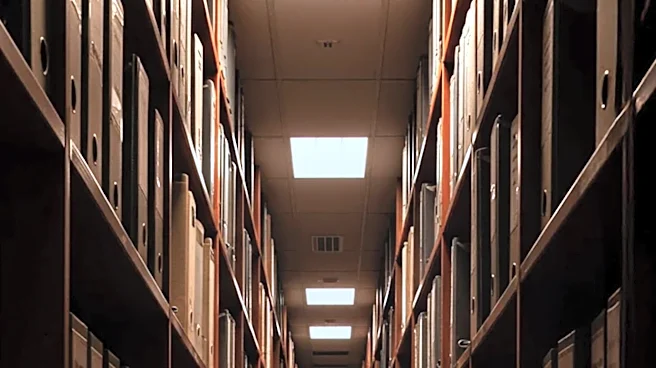
that these agencies will not destroy or conceal government records, emphasizing that officials who violate the law could face imprisonment. This directive comes as Democrats anticipate using their congressional majorities for vigorous oversight. Scott's letters, sent shortly after the election, specifically remind agency leaders of their legal obligations under the Federal Records Act of 1950. This act mandates that all executive branch departments and agencies collect, retain, and preserve records documenting 'the transaction of public business' or containing 'informational value.' The agencies targeted include the Equal Employment Opportunity Commission (EEOC), the U.S. Department of Labor (DOL), and the National Labor Relations Board (NLRB), signaling an early focus on these entities by congressional Democrats.
Why It's Important?
This action by Representative Scott signals a significant shift towards increased congressional oversight of federal agencies, particularly those related to labor and education, as Democrats assume greater control in Congress. The demand for record preservation underscores a broader intent to scrutinize the actions and decisions made during the Trump administration. For federal agencies, this means heightened accountability and a potential increase in investigations, requiring meticulous adherence to record-keeping laws. The emphasis on the Federal Records Act of 1950 highlights the legal framework governing government transparency and accountability, suggesting that any non-compliance could lead to severe legal repercussions for officials. This move also sets a precedent for how the new Democratic majority intends to engage with the executive branch, prioritizing transparency and adherence to federal statutes in their oversight functions.
What's Next?
Federal departments and agencies under the House Education and Workforce Committee's jurisdiction are now expected to provide written assurances to Representative Scott regarding their compliance with the Federal Records Act. This will likely initiate a period of increased scrutiny and potential investigations into how these agencies have managed and preserved their records. Agency heads may face demands for detailed documentation and potentially be called to testify before congressional committees. Furthermore, this action could pave the way for broader oversight efforts across other congressional committees, as Democrats leverage their majorities to examine various aspects of the Trump administration's policies and operations. The focus on record preservation also suggests that future legislative efforts might aim to strengthen or clarify existing federal record-keeping requirements.
Beyond the Headlines
Representative Scott's directive extends beyond mere procedural compliance; it touches upon the fundamental principles of government transparency and the historical record. The preservation of government records is crucial for historical accountability, allowing future generations to understand the decisions and actions of past administrations. This move could also be seen as a strategic effort to gather information that might inform future policy debates or legislative initiatives, particularly concerning labor and employment regulations. The warning of potential prison sentences for non-compliance underscores the seriousness with which Congress views the integrity of federal records, potentially deterring any attempts to obscure or destroy information. This emphasis on record-keeping could also influence public perception of government accountability and trust in federal institutions.