




What's Happening?
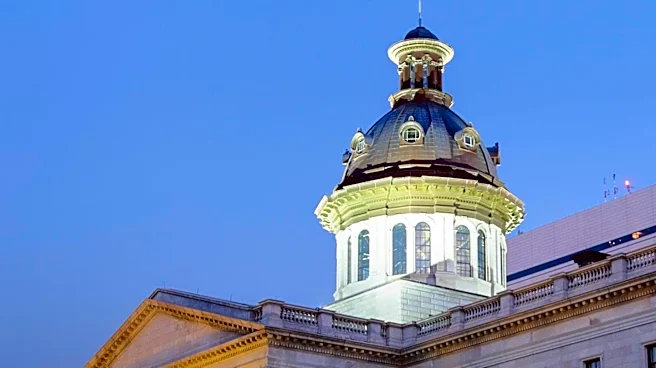
The South Carolina legislative session concluded without the revival of two significant bills: one aimed at restricting THC-infused products and another designed to strengthen the state's DUI laws. Legislators departed the Statehouse last week with no plans
to reconvene until the next legislative session in January, effectively killing compromises on both issues that had been in legislative limbo for nearly two months. Both bills required final approval from each chamber to proceed to the governor's desk. However, compromises reached by House-Senate panels failed to secure approval from the full chambers during a brief return in June. The proposal to strengthen DUI laws fell short of the necessary supermajority vote in the Senate, partly due to concerns surrounding the THC bill. Concurrently, the House rejected the compromise limiting sales of intoxicating hemp-derived THC products. Senate Majority Leader Shane Massey indicated that the debates on these two bills were intertwined, leading to both failing together.
Why It's Important?
The failure to pass these bills has significant implications for public safety and consumer regulation in South Carolina. Without stricter DUI laws, the state continues to grapple with high rates of alcohol-related fatalities. According to Stephen Burritt, regional executive director for Mothers Against Drunk Driving, South Carolina had the highest number of deaths caused by drunken driving per 100 million miles driven in 2024. The proposed DUI bill was extensive, aiming to increase penalties for refusing breathalyzer tests, create a mid-level offense for drivers causing 'moderate bodily injury,' and simplify drug screenings for police. The absence of regulations on THC products means they continue to be sold without age restrictions in various retail outlets, including gas stations and grocery stores, and without limitations on THC content. This situation raises concerns about public health and safety, particularly regarding access for minors and the potential for impaired driving.
What's Next?
Legislators are hopeful that efforts to strengthen DUI laws will remain a top priority in the upcoming year, with plans to revisit the issue in the next legislative session starting in January. Since this was the second year of a two-year legislative session, any bill not passed before November's new Legislature must be restarted in 2027. A key point of contention for future DUI legislation will likely be the requirement for officers to undergo training as drug recognition experts before making arrests for driving under the influence of THC. For THC products, the future of regulation in South Carolina may be influenced by federal action. A provision in a federal spending package, intended to set limits on THC in hemp products, was delayed until December. The decision by Congress to either implement or further delay this law will likely determine the direction of South Carolina's approach to regulating intoxicating hemp products.
Beyond the Headlines
The intertwined fate of the DUI and THC bills highlights a complex legislative challenge where different public safety and economic interests collide. The debate over THC product regulation exposes a loophole in federal law that has allowed a burgeoning industry to operate without the stringent controls typically applied to intoxicating substances. This situation creates a de facto unregulated market for products that can have significant psychoactive effects, raising ethical questions about consumer protection and public health, especially for young people. The difficulty in passing comprehensive legislation also underscores the challenges of achieving consensus in a politically diverse environment, where concerns about individual liberties, economic impact, and public safety must be balanced. The ongoing lack of clear guidelines for THC impairment detection also presents a legal and practical challenge for law enforcement, potentially leading to inconsistencies in enforcement and prosecution.