




What's Happening?
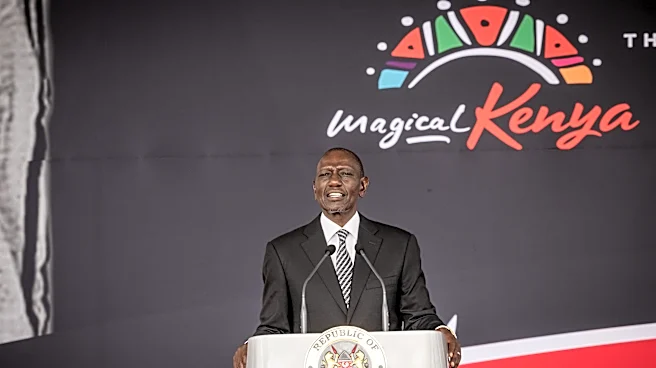
President William Ruto, alongside several Cabinet Secretaries, has announced the appointment and reappointment of 21 individuals to various government institutions. These positions span state corporations, boards, and university leadership roles. The appointments
were gazetted on Friday, November 13, 2026. Notably, President Ruto appointed Geoffrey Odundo as Machakos University Chancellor for a five-year term and reappointed Lucas Mogoa to the State Corporations Advisory Committee for three years. Interior Cabinet Secretary Kipchumba Murkomen reappointed Baljit Sokh and Pius Chelimo to the Private Security Regulatory Authority Board. Treasury Cabinet Secretary John Mbadi made five appointments, including James Mwangi and Pamella Ager to the Public-Private Partnership Committee. Education Cabinet Secretary Julius Migos Ogamba reappointed four individuals to the Kenya National Qualifications Authority Council and appointed Paul Wanyeki to the same council. Other appointments were made by Co-operatives CS Wycliffe Oparanya, Trade CS Lee Kinyanjui, Water CS Eric Mugaa, and Mining CS Hassan Joho. Additionally, Chief Justice Martha Koome appointed Justice Benard Matanga to the Employment and Labour Relations Court Rules Committee for five years, revoking Lady Justice Linnet Ndolo's appointment.
Why It's Important?
These extensive appointments and reappointments by President Ruto and his Cabinet Secretaries signify a strategic move to consolidate and align leadership across key government sectors. The placement of new and reconfirmed personnel in state corporations, university leadership, and regulatory bodies can significantly influence policy implementation and the operational efficiency of these institutions. For instance, the appointment of a university chancellor and members to advisory committees suggests a focus on education and governance oversight. The reappointments indicate a desire for continuity in certain areas, while new appointments could signal shifts in priorities or a fresh approach to existing challenges. The involvement of various Cabinet Secretaries underscores a coordinated effort across different ministries to shape the administrative landscape, potentially impacting public service delivery and the government's overall agenda.
What's Next?
The newly appointed and reappointed officials are expected to assume their roles immediately or as specified in their gazettement. Their immediate tasks will likely involve familiarizing themselves with their new responsibilities and integrating into their respective institutions. The impact of these changes will unfold as the new leadership begins to implement policies and make decisions. Stakeholders, including the public, civil society organizations, and other government entities, will be observing how these appointments affect the performance and direction of the institutions involved. Future policy decisions and operational changes within these government bodies will be closely linked to the vision and leadership brought by these new and reconfirmed officials.