






What's Happening?
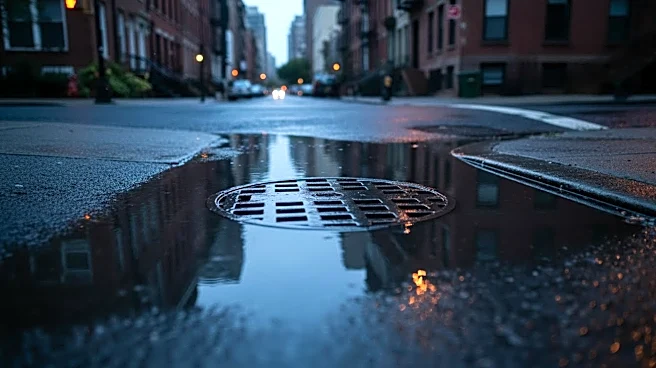
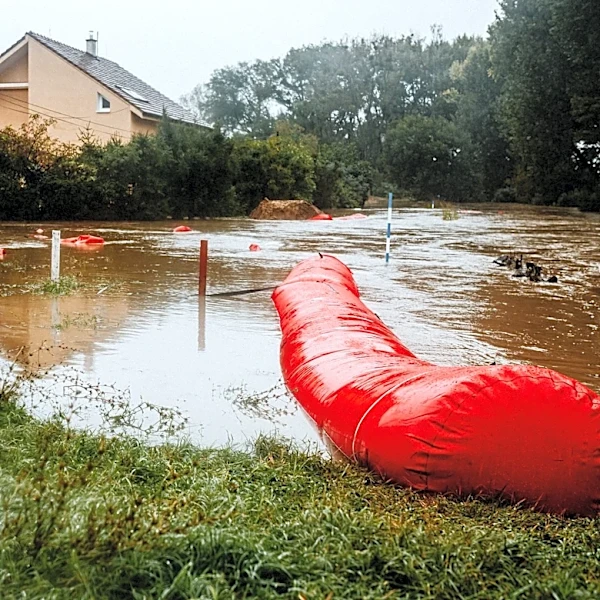
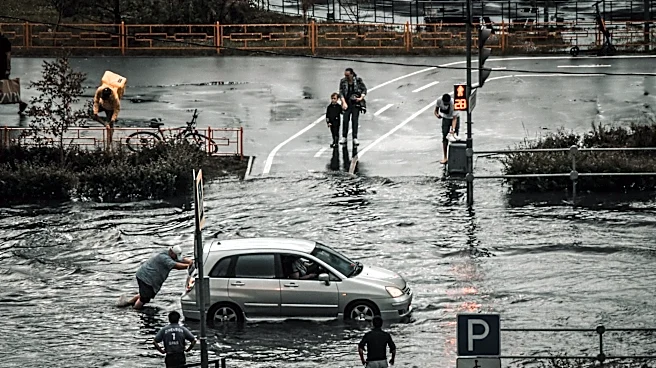
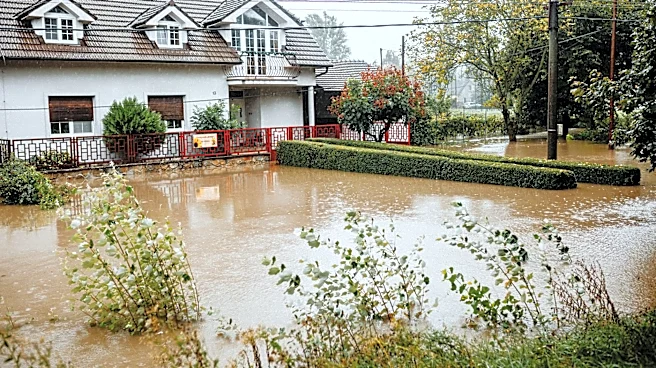
Flash flood warnings have been issued for New York City and New Jersey as severe weather conditions threaten the region. According to CBS News New York, meteorologist John Elliott reported on the potential for significant rainfall that could lead to flooding
in urban areas. The warnings come as part of a broader alert system aimed at preparing residents for possible flash floods, which can occur rapidly and with little warning. The weather conditions are expected to bring heavy rain, which could overwhelm drainage systems and lead to hazardous conditions on roads and in low-lying areas. Residents are advised to stay informed through local news updates and to take necessary precautions to ensure their safety.
Why It's Important?
The issuance of flash flood warnings is critical as it highlights the potential for dangerous weather conditions that can impact public safety and infrastructure. Flash floods can cause significant damage to homes, businesses, and transportation networks, leading to economic losses and disruptions. In densely populated areas like New York City and New Jersey, the risk is heightened due to the concentration of people and infrastructure. The warnings serve as a reminder of the importance of emergency preparedness and the need for effective communication between weather services and the public. Ensuring that residents are aware of the risks and know how to respond can mitigate the impact of such weather events.
What's Next?
Residents in the affected areas are encouraged to monitor weather updates and heed any advisories from local authorities. Emergency services may be on heightened alert to respond to any incidents resulting from the severe weather. The situation underscores the need for ongoing investment in infrastructure improvements to better handle extreme weather events. As climate change continues to influence weather patterns, cities may need to adapt their strategies for managing stormwater and protecting vulnerable communities. The response to this event could inform future policies and practices aimed at enhancing resilience to similar weather challenges.