





What's Happening?
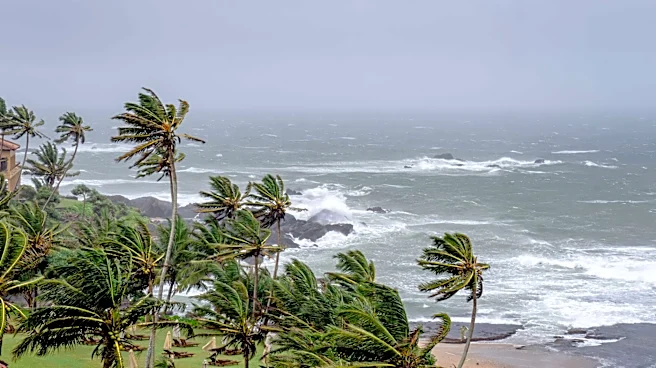
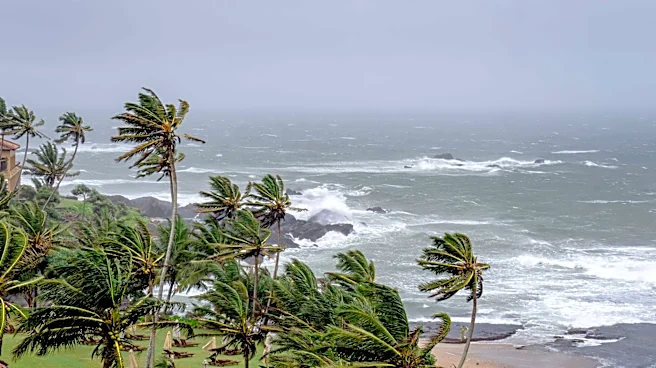
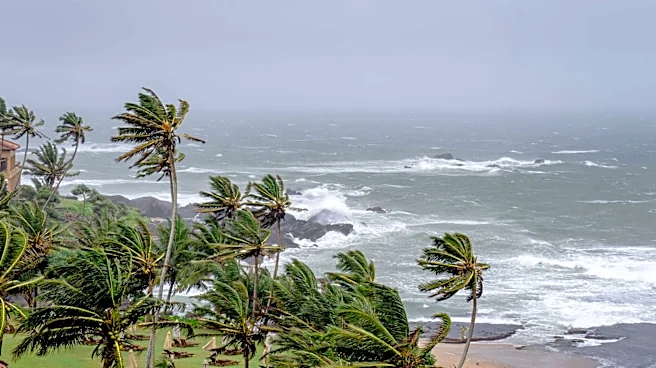
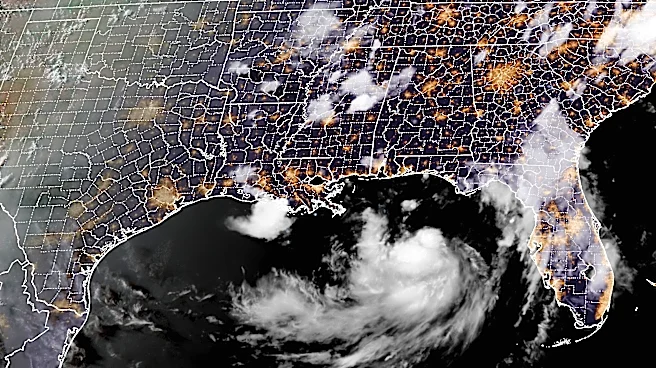
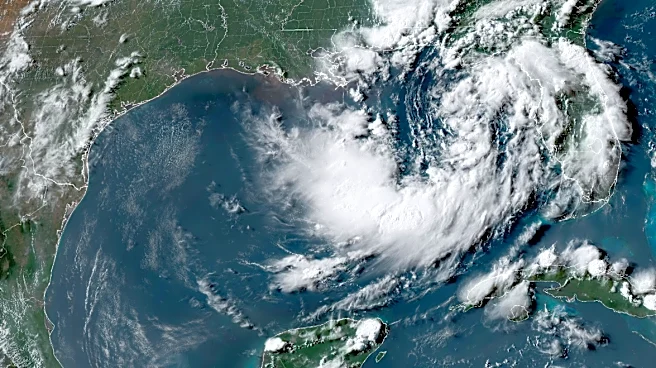
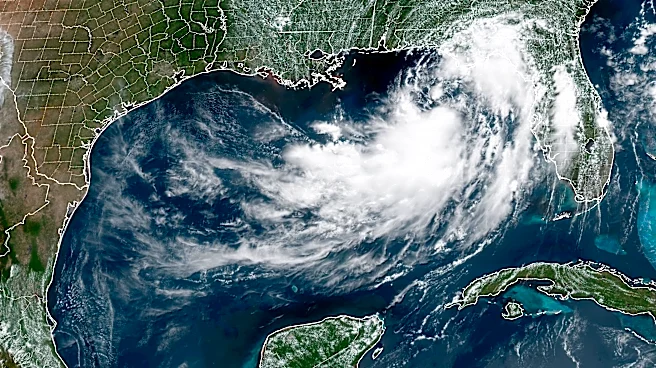
Tropical Storm Bertha made landfall in Louisiana, specifically in St. Bernard Parish, bringing with it strong winds and the potential for significant storm surges. The storm, which originated in the Gulf of Mexico, has already led to the closure of beaches
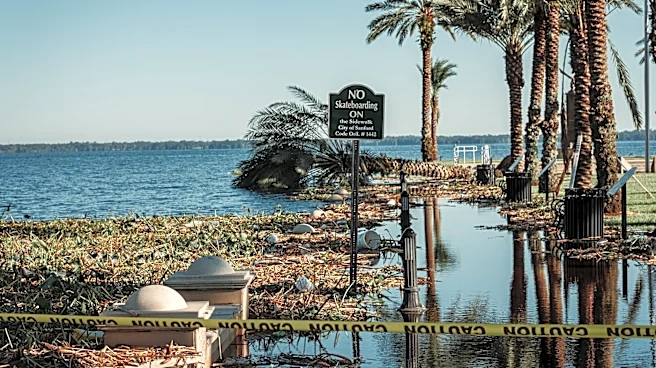
from the Florida Panhandle to Mississippi. The National Hurricane Center has issued warnings for areas including New Orleans and Lake Pontchartrain, as the storm's winds extend over 100 miles from its center. Bertha is expected to weaken as it moves towards Texas, but not before potentially causing up to three feet of storm surge and heavy rainfall in parts of Louisiana.
Why It's Important?
The impact of Tropical Storm Bertha is significant due to its potential to disrupt daily life and economic activities in the affected regions. Louisiana, a state with a substantial number of petrochemical plants and refineries, could face operational challenges if the storm causes power outages or damages infrastructure. The storm's path through the Gulf Coast, a critical area for U.S. energy production, underscores the vulnerability of these facilities to severe weather events. Additionally, the storm's impact on transportation and logistics could affect supply chains, particularly if ports and highways are closed or damaged.
What's Next?
As Bertha continues its path towards Texas, residents and businesses in its trajectory are advised to prepare for possible disruptions. Emergency services and local governments are likely to remain on high alert, ready to respond to any immediate needs such as evacuations or infrastructure repairs. The weakening of the storm as it moves inland may reduce its potential for damage, but the risk of flooding and power outages remains a concern. Stakeholders in the energy sector will be closely monitoring the situation to mitigate any operational impacts.