





What's Happening?
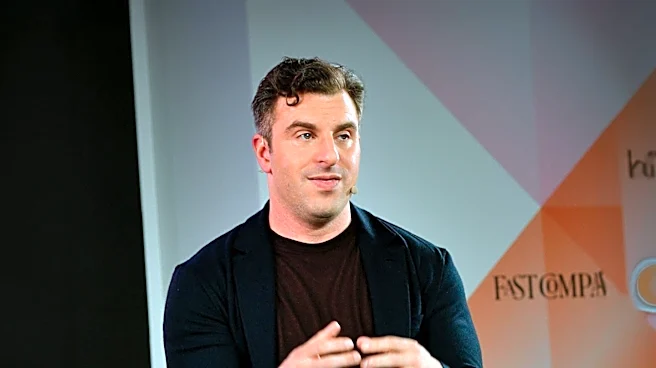
Airbnb Co-Founder and CEO Brian Chesky has made a historic $100 million donation to San Francisco's park system, marking the largest single-donor gift the city has ever received. This substantial contribution will directly benefit over 10% of San Franciscans,
including 20,000 children and seniors, by ensuring they have an improved park within half a mile of their homes. The funding will be disbursed in two phases. The initial $39 million is earmarked to accelerate five specific park projects across various neighborhoods: SoMa West (Rachele Sullivan Park), the Mission (Garfield Square Park & Rec Center), Bayview-Hunters Point (India Basin Waterfront Park), Potrero Hill (Jackson Playground), and downtown (Embarcadero Park). These funds will expedite construction timelines, facilitate upgrades, and close existing funding gaps, making these parks accessible to residents sooner. The remaining $61 million will be allocated to additional projects that the Recreation and Park Department will identify over the next year. Chesky expressed his motivation as a desire to give back to the city that played a crucial role in Airbnb's success and to foster community connection through public spaces.
Why It's Important?
This donation is significant for San Francisco as it addresses a critical need for sustained investment in the city's public spaces, which have faced a substantial backlog in maintenance and modernization. The immediate allocation of $39 million will accelerate projects that have been delayed, directly improving the quality of life for residents in diverse neighborhoods. For instance, Rachele Sullivan Park's opening will be moved up by three years, and Garfield Square Park's pool will extend its operating hours, fulfilling a top community request. This private philanthropic effort highlights a growing trend where tech wealth and private donors are increasingly crucial for funding large-scale public infrastructure and community initiatives in San Francisco. It also sets a precedent, with Mayor Daniel Lurie encouraging other successful entrepreneurs in the city to follow Chesky's lead, potentially fostering a new era of corporate and individual philanthropy aimed at civic improvement. The investment underscores the value of accessible green spaces in urban environments, promoting physical activity, community gathering, and overall well-being.
What's Next?
The San Francisco Recreation and Park Department will immediately begin utilizing the initial $39 million to accelerate the five identified park projects, with construction timelines expected to be significantly shortened. Over the next year, the department will undertake a comprehensive process to identify additional park projects that will benefit from the remaining $61 million. This process will likely involve community input, needs assessments, and strategic planning to ensure the funds are allocated to areas with the greatest impact and need. The city will also work to establish ongoing funding streams for the maintenance and programming supported by this donation, ensuring the long-term sustainability of these park improvements. Furthermore, Mayor Lurie's public call for other business leaders to contribute financially to the city suggests a potential for increased philanthropic engagement in San Francisco's civic projects, which could lead to further private-public partnerships for urban development and community services.
Beyond the Headlines
This substantial donation by Brian Chesky transcends a simple financial contribution; it reflects a broader shift in the relationship between tech industry leaders and the cities where their companies thrive. It signals a recognition of corporate social responsibility and a direct investment in the foundational elements of urban life—public spaces—that foster community and well-being. The emphasis on parks as antidotes to division and spaces for physical connection in an increasingly digital world highlights a philosophical stance on urban development. This act of philanthropy could also influence public perception of tech billionaires, moving beyond critiques of wealth accumulation to acknowledge direct contributions to civic betterment. Moreover, it underscores the ongoing challenge cities like San Francisco face in funding essential public services and infrastructure, often relying on private donations to bridge significant financial gaps. This model of private funding for public goods raises questions about equity, long-term sustainability, and the role of government versus private entities in shaping urban landscapes.