



What's Happening?
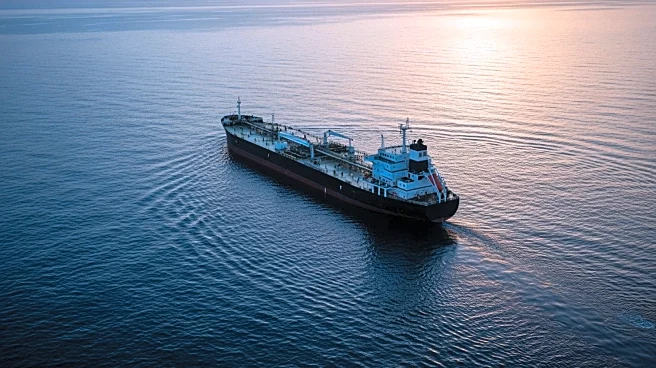
France's navy, with the assistance of allies, intercepted an oil tanker suspected of being part of Russia's 'shadow fleet' in the Mediterranean Sea. The tanker, named 'Grinch', was allegedly operating under a false flag and is subject to international
sanctions. The operation, which took place between Spain and Morocco, was part of efforts to prevent Russian oil from financing the war in Ukraine. French President Emmanuel Macron emphasized the importance of not tolerating any violations of international sanctions. The UK provided tracking and monitoring support during the operation. This is the second such interception by France in recent months, following a similar incident involving a ship called the Boracay.
Why It's Important?
The interception is a significant move in the international community's efforts to enforce sanctions against Russia, particularly in light of its ongoing conflict with Ukraine. By targeting the shadow fleet, France and its allies aim to disrupt the financial mechanisms that support Russia's military activities. The operation demonstrates a coordinated international response to sanction evasion and highlights the challenges of enforcing maritime sanctions. The involvement of multiple countries underscores the global consensus on the need to uphold international law and prevent the circumvention of sanctions. This action could lead to increased diplomatic tensions between France and Russia.
What's Next?
The intercepted tanker is being escorted for further verification and investigation by French authorities. The outcome of this investigation could lead to legal proceedings and further actions against vessels involved in sanction evasion. The international community may consider additional measures to enhance maritime security and prevent similar incidents. Diplomatic discussions may ensue to address the implications of the interception and reinforce the enforcement of sanctions. The situation could also prompt Russia to respond diplomatically or through other means, potentially affecting international relations.