







What's Happening?
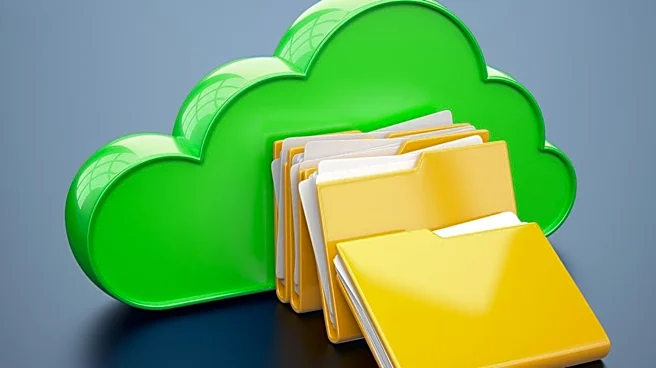
Instructure, through its Parchment product, has introduced a K-12 cumulative folder solution designed to centralize and manage student records digitally. This new offering aims to address common challenges faced by school districts, such as disorganized,
decentralized, and insecure student records spread across various departments and locations. The solution integrates with existing Student Information Systems (SIS) to update student data nightly, including transfers between schools, grade level changes, and name updates. It features robust security measures with refined permissions for viewing and functionality, ensuring only credentialed staff can access records. The system also supports bulk scanning of physical documents using lead sheets with QR codes, which automatically tag and file documents to the correct student. Additionally, it provides secure document sharing capabilities, allowing internal and external sharing with controlled access and tracking of all actions.
Why It's Important?
This solution is important for U.S. K-12 education as it directly tackles critical issues related to student data management, security, and operational efficiency. By centralizing student records, schools can ensure FERPA compliance, reduce the risk of data loss, and eliminate the need for extensive physical storage like filing cabinets. The nightly sync with SIS ensures that student information is always up-to-date, which is crucial for timely decision-making by educators and administrators. The secure sharing features protect sensitive student information while facilitating necessary communication among staff and with external parties. This digital transformation can significantly improve administrative workflows, allowing staff to spend less time searching for records and more time supporting students. Ultimately, it contributes to a more organized, secure, and responsive educational environment, benefiting students, teachers, and administrative personnel.
What's Next?
School districts considering this solution will need to assess their current record-keeping practices and resources for digital migration. Parchment recommends a phased approach to scanning historical documents, focusing on entry-level and transition grades annually to gradually digitize records. This strategy aims to make the transition manageable for districts without extensive dedicated resources. Instructure will likely continue to offer webinars and support to guide districts through implementation and maximize the benefits of the cumulative folder system. The company also offers an integrated suite of records management solutions, suggesting further enhancements and integrations to provide a holistic end-to-end system from student entry to graduation. Future developments may include more advanced analytics and reporting features to leverage the centralized data for educational insights.
Beyond the Headlines
The shift to digital cumulative folders represents more than just a technological upgrade; it signifies a fundamental change in how educational institutions manage and perceive student data. This move has ethical implications regarding data privacy and access, emphasizing the need for stringent security protocols and clear permission structures. Legally, it helps schools meet compliance requirements like FERPA by providing a secure, auditable record of student information. Culturally, it encourages a more collaborative and data-driven approach to student support, as relevant information becomes readily accessible to authorized personnel. In the long term, such systems could pave the way for more personalized learning experiences, as comprehensive student data can inform instructional strategies and interventions. The elimination of physical records also has environmental benefits, reducing paper consumption and storage needs, aligning with broader sustainability goals.