



What's Happening?
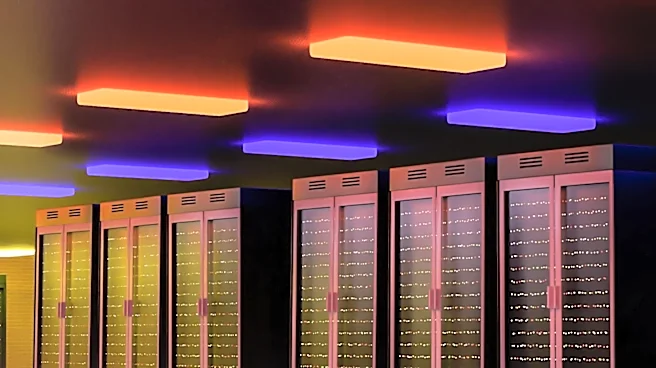
President Donald Trump announced an expansion of the 'Ratepayer Protection Pledge,' a voluntary commitment aimed at ensuring consumers do not bear the costs associated with the expansion of AI data centers. Nearly 200 additional entities, including major
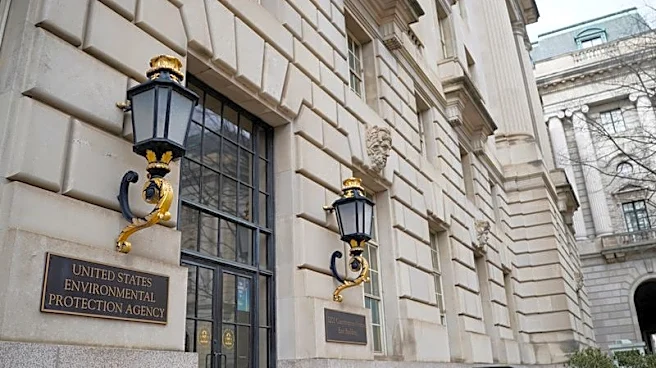
utilities and data center developers, have joined the pledge, which now covers 80% of the power delivered to U.S. homes and businesses. The announcement was made at the Environmental Protection Agency, with key figures such as Energy Secretary Chris Wright and EPA Administrator Lee Zeldin present. The pledge, initially issued in March, requires AI companies to cover the costs of new power delivery infrastructure needed for their data centers. This expansion comes amid growing bipartisan concerns over the impact of data centers on electricity prices, which have risen 4% year-over-year. The House Energy and Commerce Committee is considering the Ratepayer Protection Act, which would mandate that data center builders pay for grid upgrades.
Why It's Important?
The expansion of the Ratepayer Protection Pledge is significant as it addresses the rising electricity costs that could affect millions of American households. With electricity prices already on the rise, the increased demand from AI data centers could further inflate utility bills by 15% to 40% by 2030. By ensuring that AI companies bear the costs of infrastructure upgrades, the pledge aims to protect consumers from these potential increases. This move also highlights the growing concern over the environmental and economic impacts of data centers, prompting legislative action at both state and federal levels. The involvement of major utilities and tech companies underscores the importance of collaborative efforts to manage the energy demands of emerging technologies.
What's Next?
The Ratepayer Protection Act, which aligns with the principles of Trump's pledge, is currently under consideration in Congress. If passed, it would require state utility regulators to ensure that data center builders, rather than consumers, pay for necessary grid upgrades. This legislative effort reflects a broader trend of increasing regulatory scrutiny over the tech industry's energy consumption. Additionally, some states, like New York, have already taken independent action by pausing the construction of new data centers. As the debate continues, stakeholders from the tech industry, utilities, and government will likely engage in discussions to balance technological growth with consumer protection.