


What's Happening?
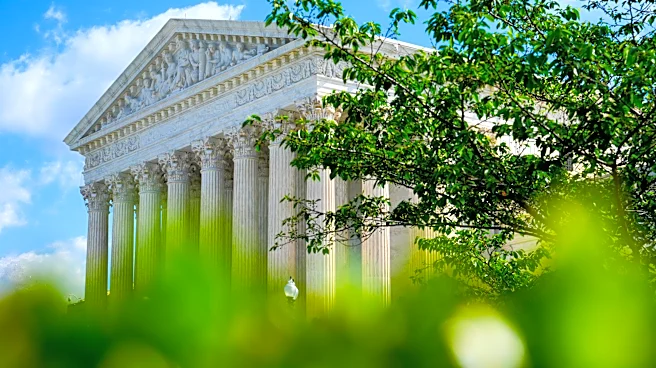
The U.S. Supreme Court is deliberating on the constitutionality of geofence warrants, which allow law enforcement to access location data from mobile devices to identify suspects near crime scenes. The case in question involves Okello Chatrie, who was
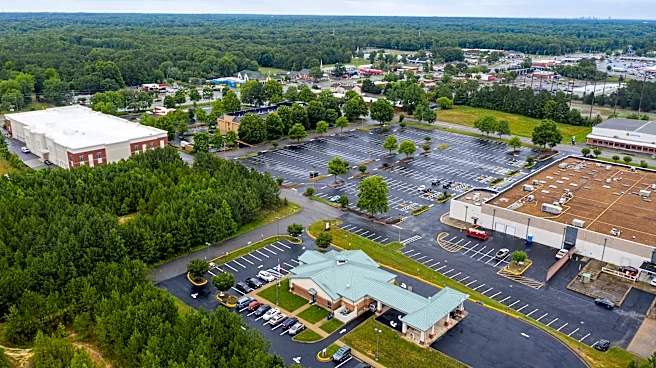
convicted of a bank robbery in Virginia after police used a geofence warrant to obtain location data from Google. The justices are examining whether such warrants violate the Fourth Amendment's protection against unreasonable searches and seizures. During the arguments, justices expressed concerns about the privacy implications of accessing location data and the potential for overreach in law enforcement practices. The court is expected to issue a decision by July, which could have significant implications for privacy rights and law enforcement techniques.
Why It's Important?
The outcome of this case could redefine privacy rights in the digital age, particularly concerning how law enforcement can use technology to gather evidence. If the Supreme Court rules in favor of limiting geofence warrants, it could strengthen privacy protections for individuals by setting stricter standards for accessing location data. Conversely, a decision upholding the use of such warrants could expand law enforcement's ability to use digital data in investigations, potentially leading to broader surveillance capabilities. The case highlights the tension between privacy rights and the needs of law enforcement in an era where digital footprints are increasingly used in criminal investigations.
What's Next?
A decision from the Supreme Court is anticipated by July. Depending on the ruling, there could be significant changes in how law enforcement agencies across the U.S. use geofence warrants. If the court sets new limitations, law enforcement may need to adjust their investigative techniques and seek alternative methods for gathering evidence. Additionally, the ruling could prompt legislative action to address privacy concerns related to digital data collection. Stakeholders, including privacy advocates and law enforcement agencies, are likely to respond to the decision with calls for further clarification or reform.