






What's Happening?
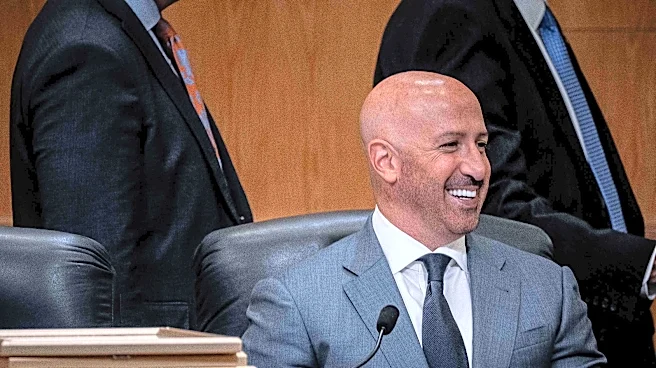
Doral Councilman Rafael Pineyro has sent letters and a report to several Florida congresspersons and senators, including Representatives María Elvira Salazar, Mario Díaz-Balart, and Carlos Giménez, and Senators Rick Scott and Ashley Moody, to denounce
the consequences of ICE detentions in Miami-Dade. Pineyro described the current detention practices as 'inhumane' and 'incorrect,' particularly criticizing the targeting of working families and individuals who are actively undergoing immigration processes. He emphasized that his concern is not with the deportation of individuals with criminal records or final expulsion orders, but rather with the indiscriminate arrests of those who are working and awaiting decisions on their immigration cases. Pineyro's actions stem from previous public denunciations of detentions in Doral involving individuals with valid driver's licenses and pending asylum decisions, indicating a sustained effort to address these issues.
Why It's Important?
This initiative by Councilman Pineyro is important because it highlights a significant tension between federal immigration enforcement and local community concerns, particularly in areas with large immigrant populations like Doral, Miami-Dade. His appeal to federal lawmakers underscores the perceived human and economic impact of current ICE practices on local communities. By differentiating between individuals with criminal backgrounds and those actively pursuing legal immigration processes, Pineyro is advocating for a more nuanced approach to immigration enforcement. This could influence policy discussions at the federal level, potentially leading to reforms that better protect immigrant families and workers while still addressing national security concerns. The involvement of U.S. Representatives and Senators from Florida indicates that this issue is gaining traction at higher levels of government, reflecting a growing demand for a reevaluation of immigration enforcement strategies and their broader societal effects.
What's Next?
The next steps will involve the responses from the Florida congresspersons and senators to whom Councilman Pineyro has sent his letters and report. It remains to be seen whether these federal representatives will request information from ICE, arrange meetings with local officials, or publicly address the report prepared with immigration lawyers. Pineyro has also urged Doral residents to contact their congresspersons and senators directly, aiming to amplify pressure for a review of current ICE operations and to establish greater protections for individuals with pending immigration cases. This collective action could lead to increased scrutiny of immigration enforcement policies in South Florida and potentially influence legislative efforts to reform immigration laws. The outcome could range from minor adjustments in local ICE practices to broader policy discussions at the federal level regarding the treatment of immigrants undergoing legal processes.
Beyond the Headlines
Councilman Pineyro's actions delve into the deeper ethical and social implications of immigration enforcement. His distinction between criminal offenders and working immigrants with pending cases raises fundamental questions about due process, human dignity, and the social fabric of immigrant communities. The councilman's warning about the economic and social consequences, such as fear altering daily life, affecting the economy, quality of life, educational centers, and overall community function, points to the systemic impact of enforcement policies. This situation highlights the ongoing debate about the balance between national security and humanitarian concerns in immigration policy. It also underscores the role of local officials in advocating for their constituents on federal issues, demonstrating how local concerns can drive national conversations. The call for residents to engage with their federal representatives further emphasizes the democratic process and the power of collective advocacy in shaping public policy and challenging existing norms.